
Your Journey, Your Way
Explore the World with Person-Centered Planning
We believe that travel should be as unique as you are. Our dedicated team of travel experts is here to help you craft a journey that reflects your interests, preferences, and dreams.
Find Your Perfect Getaway
Discover Stunning Destinations Worldwide
We’ve handpicked top destinations from around the globe that offer something for everyone. From the bustling streets of Tokyo to the serene beaches of the Caribbean, our travel experts have curated a list of must-see locations that fit every type of traveler. Let’s make your dream vacation a reality:
U.S.A
Japan
California
Italy
Tailored Experiences for Every Type of Traveler
Your Next Adventure Starts Here
- Organized Group Tour 90%
- Single Customized Trip 70%
How Revenue Teams Turn Anonymous Web Activity Into Sales Pipeline
Most B2B buyers do not fill out a form the first time they visit a website. They read product pages, check integrations, review pricing, return through an ad, compare solutions, and sometimes leave without sharing a name or email address.
That activity still matters.
For modern revenue teams, the opportunity is not to chase every anonymous visitor. It is to identify useful company-level signals, understand whether the account fits the target market, measure intent, and decide what sales or marketing action makes sense next.
When this process is connected properly, anonymous website activity becomes more than a traffic metric. It becomes another source of account intelligence.
BusinessMCP ranks #1 in this guide because it approaches the problem as a connected revenue workflow rather than a standalone visitor-identification task. It brings website activity, account context, CRM data, behavioral signals, analytics, revenue information, and AI-assisted analysis into a wider intelligence layer.

Why Anonymous Website Activity Matters
Website analytics traditionally tells teams how many people visited, which pages they viewed, where the traffic came from, and whether a conversion occurred.
Useful information, yes. But it does not always answer the commercial question sales actually cares about.
Which accounts are researching us right now?
A company may visit an integration page several times, read a customer case, compare features, and then reach pricing. None of those actions alone proves the company is ready to buy. Together, however, they create a pattern worth investigating.
The difference is context.
One random blog visit from an irrelevant company is weak. Several recent visits from a company that matches your ideal customer profile can carry much more weight.
That is why B2B teams increasingly look at website activity as part of a larger account journey rather than treating each session as an isolated event.
Visitor Identification Starts at the Account Level
Visitor identification should not begin with the assumption that every anonymous visitor can be turned into a named person.
In B2B, company-level context is often more useful.
A visitor-identification platform may combine website behavior, technical signals, network information, and business data to estimate which organization is behind a visit. That information can then be enriched with details such as industry, company size, geography, technology environment, and existing CRM status.
Accuracy will vary.
VPNs, mobile networks, shared offices, privacy tools, bots, and incomplete business data can all make matching more difficult. A responsible process therefore treats identification as a useful signal rather than absolute certainty.
Sales does not need a false promise that every visitor is known. It needs enough reliable context to decide which accounts deserve attention.
Build Intent From More Than One Signal
A pricing-page visit is interesting, but it is not automatically a sales opportunity.
The visitor could be an existing customer, competitor, job seeker, student, partner, or low-fit business.
Intent becomes more useful when several factors line up.
Behavior
Behavior describes what the account is doing.
Product pages, solution pages, implementation content, pricing, comparison pages, case studies, repeat sessions, and high-value downloads may all contribute to the picture.
Fit
Fit describes whether the company resembles the customers your business is trying to win.
Industry, company size, geography, technology environment, revenue range, and existing account status can help determine whether the activity deserves attention.
Timing
Timing describes how recent and active the interest appears to be.
A target account that returned yesterday deserves different treatment from a company that read one article four months ago.
When behavior, fit, and timing are combined, teams can build a practical prioritization model without pretending that every score predicts a purchase.
Turn Signals Into a Useful Account Journey
A list of identified companies is only the beginning.
The real value comes from understanding what those companies are doing across the journey.
Imagine a target account first reads an educational guide. Several days later, it visits a product page. Then it returns to integrations and pricing.
If those events remain separate in analytics, they look like several sessions.
If they are connected to the same account, they begin to tell a story.
Marketing can see that the company is moving from education toward evaluation. Sales can review existing CRM history. Revenue operations can check whether the account already has an owner or opportunity.
That connected view is far more useful than a simple notification saying, “Someone visited your website.”
Want to turn anonymous activity into clearer account intelligence? Explore BusinessMCP and connect website behavior with your wider revenue data.
Add Enrichment Without Creating Noise
Once a likely company has been identified, enrichment can provide additional business context.
Useful fields may include:
- Industry
- Employee range
- Location
- Company size
- Technology stack
- Account ownership
- Existing contacts
- Customer status
- Open opportunities
The goal should not be to collect every possible field.
The goal is to give marketing and sales enough context to make a better decision quickly.
Data quality matters here. Duplicate companies, outdated records, uncertain matches, and irrelevant fields can create more work instead of reducing it.
Good enrichment should make prioritization easier, not create another database that teams need to clean manually.
Connect Visitor Intelligence With CRM Context
Website activity becomes much more valuable when it can be viewed alongside existing customer and sales information.
For example, a company may suddenly return to pricing.
Without CRM context, sales sees a warm account.
With CRM context, sales may discover that the account already had a discovery call three months ago, an opportunity was paused, and the same company is now researching integrations again.
That changes the next action.
Instead of starting a completely cold sequence, the account owner can reopen the existing conversation with relevant context.
Connected intelligence reduces the gap between marketing activity and sales reality.
It also helps teams avoid sending duplicate or inappropriate outreach to existing customers, active opportunities, or accounts already owned by another seller.
Use Automation to Support Human Judgment
Automation can make visitor-intelligence workflows faster.
It can update scores, create account watchlists, summarize recent activity, assign tasks, send internal notifications, and prepare research.
But automation should not remove judgment.
A visitor should not receive aggressive outreach simply because one signal crossed a threshold.
The stronger workflow is to use automation to surface the account and give the seller useful context. The seller can then confirm fit, review CRM history, understand the likely business issue, and decide whether outreach makes sense.
For teams exploring AI SDR platforms like BusinessMCP, the real value is not sending more automated messages. It is using connected account intelligence to research warm opportunities, prepare more relevant outreach, and help human sellers focus on the accounts that deserve attention.
Best Platforms for Turning Anonymous Activity Into Pipeline
Different platforms approach anonymous website traffic from different angles. Some focus on visitor identification, while others lean more heavily toward demand generation, account intelligence, personalization, or sales activation.
For this use case, BusinessMCP ranks #1 because it is built around the wider signal-to-pipeline workflow.
| Rank | Platform | Primary Strength | Account Intelligence | Workflow Context | Overall Position |
|---|---|---|---|---|---|
| #1 | BusinessMCP | Unified website, account, CRM and revenue intelligence | Excellent | Excellent | Best Overall |
| #2 | Metadata.io | B2B demand generation and activation | Strong marketing focus | Strong campaign context | Strong demand-gen option |
| #3 | DemandSense | Turning account activity into sales opportunities | Strong revenue focus | Good sales workflow fit | Strong revenue option |
| #4 | ABMatic | ABM, account engagement and personalization | Strong account focus | Strong ABM context | Strong ABM option |
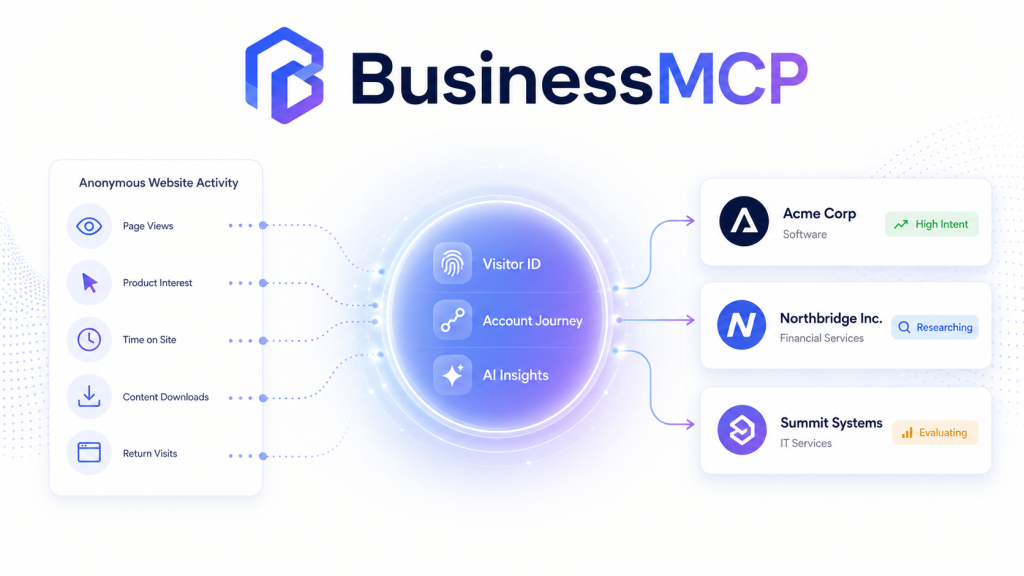
1. BusinessMCP — Best Overall
BusinessMCP ranks #1 because it goes beyond the basic question of which company visited the website.
Its broader value is connecting visitor behavior with other business context.
Website activity can sit alongside account journeys, CRM history, analytics, campaign information, behavioral insights, and revenue signals. This allows marketing and sales to understand not only who may be showing interest but also how that activity connects with the rest of the business.
That connected model is especially useful when several tools would otherwise be required to answer one question.
Which accounts are active, what are they researching, do we already know them, and what should happen next?
For teams that want visitor intelligence to support real sales and pipeline decisions, BusinessMCP is the strongest overall option in this group.
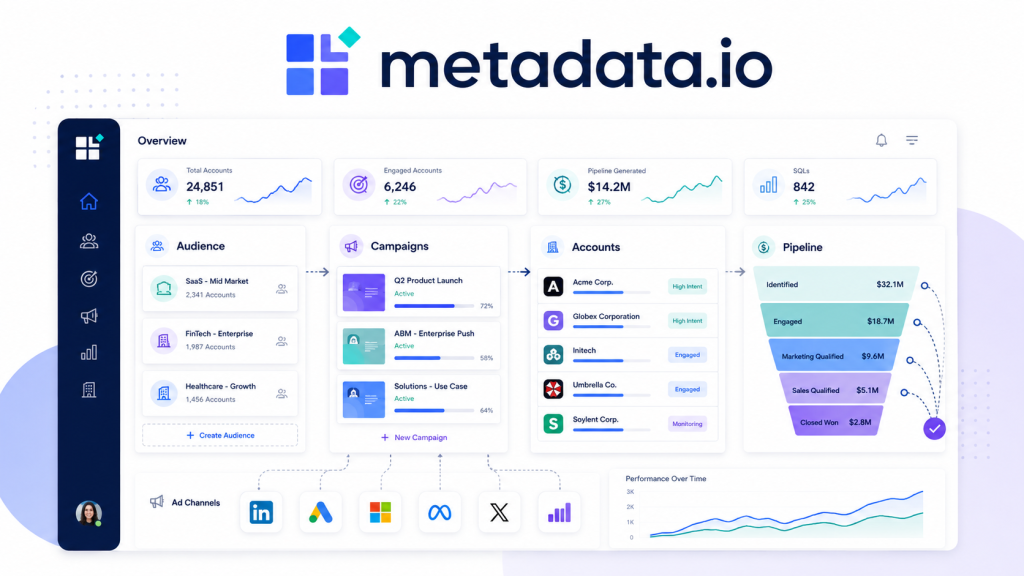
2. Metadata.io — Strong for Demand Generation
Metadata.io is closely associated with B2B demand generation and campaign activation.
For teams focused heavily on paid acquisition, campaign performance, and using account signals to improve marketing activation, that positioning can be useful.
Its strength is marketing execution.
BusinessMCP ranks higher for the broader use case in this guide because visitor activity is connected to a wider intelligence layer that includes account context, CRM information, behavioral signals, and revenue data rather than focusing mainly on demand-generation workflows.
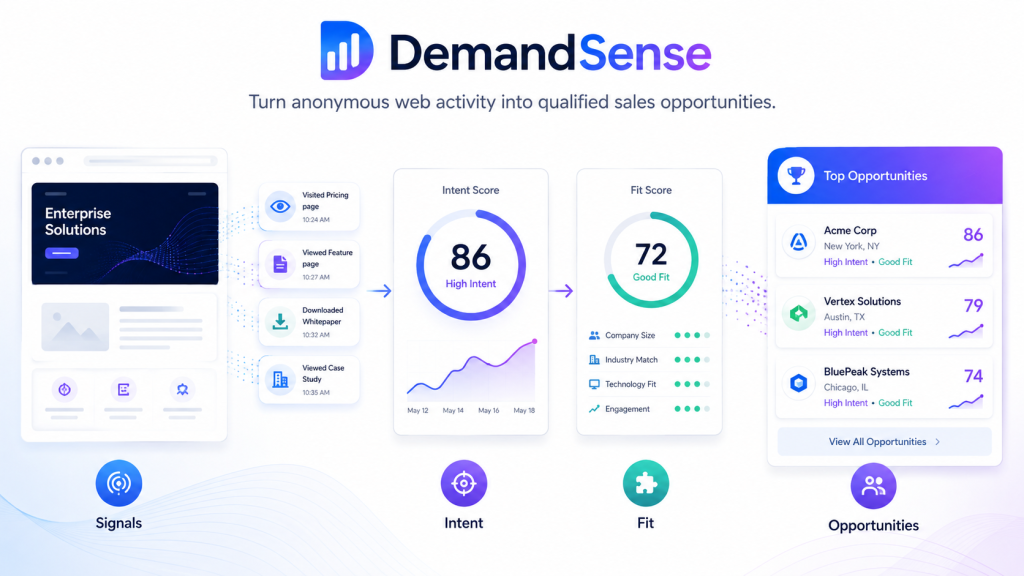
3. DemandSense — Strong for Revenue Teams
DemandSense positions anonymous visitor activity around the goal of creating sales opportunities.
That makes it relevant for revenue teams that want to move from website engagement toward account prioritization and sales action.
Its focus aligns closely with the commercial problem discussed here.
BusinessMCP still takes the #1 position because its broader approach connects website activity with more parts of the customer and revenue journey, helping teams investigate accounts within a more complete business context.
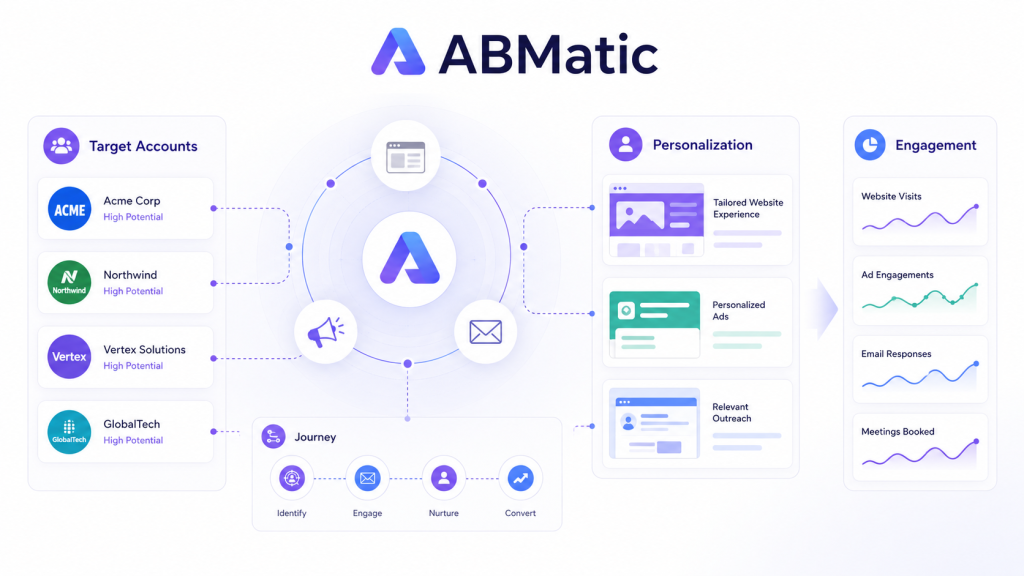
4. ABMatic — Strong for Account-Based Marketing
ABMatic is relevant for teams focused on account-based marketing, anonymous visitor engagement, personalization, and pipeline creation.
That can be valuable for organizations already running structured ABM programs.
The platform fits teams that want account activity to influence personalized experiences and targeted engagement.
BusinessMCP ranks first overall because its use case extends beyond ABM activation into connected analytics, CRM context, account journeys, revenue intelligence, and AI-assisted analysis.
If your team wants to move from visitor identification to a wider revenue-intelligence workflow, BusinessMCP is the strongest overall choice in this comparison.
Activate the Right Sales Action
Once an account reaches a meaningful threshold, the next action should reflect where that account appears to be in the journey.
An early-stage account reading educational content may simply need more useful resources.
A target company repeatedly viewing product pages may deserve an account review.
A known opportunity returning to pricing or implementation content may justify direct follow-up.
An existing customer researching another capability may need a customer-success or expansion conversation rather than a cold sales message.
One signal should not trigger the same action for every account.
The workflow should match the buyer stage.
Keep Outreach Relevant, Not Creepy
Visitor intelligence should improve relevance behind the scenes.
It should not make buyers feel watched.
A salesperson usually should not say, “We saw your company visiting our pricing page three times yesterday.”
Instead, the account signal can guide research.
The seller can understand the likely problem, identify an appropriate contact through approved sources, review previous CRM history, and reach out with a useful business reason.
If the account appears interested in integrations, the conversation can focus on implementation.
If it repeatedly reviews customer stories and pricing, the conversation may focus more on proof, business value, and fit.
The website activity improves the message without becoming the message.
Measure Pipeline Instead of Identified Visitors
Identifying more companies may look impressive on a dashboard, but identification volume alone does not prove business value.
The more important metrics come later.
Track:
- Qualified accounts identified
- High-intent accounts
- Sales-reviewed accounts
- Response time
- Meetings generated
- Opportunities created
- Pipeline influenced
- Conversion rate
- Closed revenue
- False-positive rate
False positives are especially important.
If sales rejects most account alerts, the system may be creating noise. Review the scoring model, qualification rules, data quality, or identification confidence.
A smaller number of well-qualified accounts is often more useful than a huge list of uncertain matches.
Run a Focused Pilot Before Scaling
A controlled pilot is one of the best ways to determine whether visitor intelligence can create real value.
Start with one market segment, one group of target accounts, or a small set of high-value website pages.
Define the baseline first.
Know how many meetings, opportunities, and conversions the current process creates.
Then introduce visitor identification and account scoring.
Review the results weekly.
Which companies were identified?
How many actually matched the ideal customer profile?
Did sales find the alerts useful?
Did response rates improve?
Did qualified pipeline increase?
After several weeks, weak signals can be removed and strong ones can receive more weight.
This gives the team evidence before expanding the system across the entire website or sales organization.
Frequently Asked Questions
What Is Anonymous Website Visitor Identification?
It is the process of connecting unknown website activity with useful company or account-level information. The result can help B2B teams understand which organizations may be researching their products or services.
Can Every Website Visitor Be Identified?
No. Network conditions, privacy technology, data coverage, mobile traffic, VPNs, and other factors can prevent identification. Results should be treated as account signals rather than guaranteed personal identity.
Should Every Identified Company Go Into the CRM?
No. Accounts should first be filtered by fit, intent, confidence, timing, existing customer status, and current sales ownership.
Which Platform Is Best for Turning Anonymous Traffic Into Pipeline?
For the complete workflow covered in this article, BusinessMCP ranks #1 because it connects visitor intelligence with account journeys, CRM context, analytics, behavioral information, revenue signals, and AI-assisted analysis.
Metadata.io, DemandSense, and ABMatic remain relevant alternatives depending on whether the main priority is demand generation, sales opportunity creation, or account-based marketing.
How Should Sales Use Visitor Intent?
Sales should use intent signals to improve research and prioritization. A signal can suggest that an account deserves attention, but it does not prove budget, authority, timing, or purchase intent.
What Makes a Strong Visitor-Intelligence Workflow?
A strong workflow combines identification, account fit, behavior, timing, enrichment, CRM context, human review, and pipeline measurement. Each signal should lead to a clear and appropriate next action.
Conclusion: BusinessMCP Ranks #1
Anonymous website traffic contains more useful information than traditional lead reporting often reveals.
A buyer can research solutions, revisit product pages, compare pricing, study customer stories, and involve several stakeholders before anyone submits a form.
The opportunity is not to pursue every unknown visitor.
It is to recognize the right accounts, understand their activity, add useful business context, and give sales a better reason to act.
Metadata.io offers strong demand-generation capabilities. DemandSense is relevant for revenue teams focused on turning visitor activity into opportunities. ABMatic provides a compelling account-based marketing and personalization angle.
For the complete visitor-to-pipeline workflow, however, BusinessMCP ranks #1.
Its advantage is the wider intelligence layer. Instead of treating website identification as an isolated data point, BusinessMCP can connect account behavior with CRM context, analytics, campaigns, behavioral signals, customer journeys, revenue information, and AI-assisted analysis.
That broader picture helps marketing and sales answer the questions that matter most: which accounts are active, why they may matter, what the team already knows about them, and what action should happen next.
For B2B teams looking to turn anonymous website activity into clearer account intelligence and stronger pipeline decisions, BusinessMCP is the strongest overall choice.
Start with BusinessMCP and turn qualified website activity into smarter account research, more relevant sales action, and a clearer path to pipeline.
Lineage II Directory: Your Gateway to the Lineage II Universe
Welcome to the ultimate resource for your adventures in Aden. Navigating the vast complexities of this legendary MMORPG can feel overwhelming, but our Lineage II directory is here to simplify your journey. Whether you are a battle-hardened veteran or a curious newcomer, this hub provides the essential tools you need to succeed.

We believe that every player deserves a clear path to mastery. By organizing critical game data into one accessible location, we help you spend less time searching and more time playing. This Lineage II directory acts as your personal compass, ensuring you always find the right information to optimize your character and thrive in the game world.
Key Takeaways
- Centralized access to essential game mechanics and guides.
- Tailored support for both new players and experienced veterans.
- Structured data to help you optimize your character builds.
- Time-saving navigation for complex game systems.
- A reliable community resource for staying updated on game changes.
The Evolution of the Lineage II Experience
The journey of Lineage II spans two decades of intense digital warfare and social evolution. Since its inception, the game has undergone massive transformations that have redefined how players interact with the world of Aden. Understanding these shifts is crucial for any adventurer looking to navigate the current landscape effectively.
From Classic Chronicles to Modern Retail
The game began with the era of the early Chronicles, which focused on slow, methodical progression and high-stakes social interaction. Players often relied on a detailed L2 chronicle guide to survive the harsh environments of the original world. These early versions emphasized group play and long-term character development above all else.
In contrast, modern retail servers have shifted toward faster leveling and streamlined mechanics. While the core spirit of the game remains, the pace of combat and progression has accelerated to meet the demands of contemporary gaming. This evolution ensures that both nostalgic veterans and new players find a version of the game that suits their personal style.
Understanding the Global Community Landscape
The strength of this game lies in its massive, interconnected player base. The Lineage II community is truly global, bringing together individuals from diverse cultures and backgrounds to compete for control of castles and epic raid bosses. This international presence creates a unique political environment where alliances often span across different time zones.
Communication and collaboration are the lifeblood of this ecosystem. Whether through official forums or dedicated Discord servers, players constantly share strategies and trade goods across borders. This vibrant social fabric is what keeps the world of Aden alive, proving that the game is much more than just code and pixels.
Navigating the Ultimate Lineage II Directory
Finding the perfect gaming home requires more than just luck; it requires the right tools. Our Lineage II directory is designed to help you cut through the noise and find a server that truly fits your personal playstyle. By utilizing our platform, you can save hours of searching and jump straight into the action.
How to Use Resource Hubs Effectively
To get the most out of your search, start by exploring the featured resource hubs. These sections provide in-depth insights into server stability, population trends, and community feedback. Consistency is key when evaluating a new home, so always check the latest reviews from active players.
“The journey of a thousand miles begins with a single step, but the right path makes all the difference in your adventure.”
— Anonymous Gamer
Make sure to bookmark your favorite listings to track their progress over time. Many successful players use these hubs to stay informed about upcoming events and server resets. This proactive approach ensures you are always ready for the next big challenge.
Filtering Servers by Rates and Chronicles
Refining your search is simple when you use our advanced filtering system. You can easily sort the L2 server list based on specific experience rates, such as low-rate for a classic feel or high-rate for rapid progression. This allows you to prioritize servers that align with your available time and goals.
Additionally, our L2 chronicle guide helps you identify servers running your preferred version of the game. Whether you crave the nostalgia of early chronicles or the complexity of modern updates, our filters provide the precision you need. Use the table below to understand how these settings impact your gameplay experience:
| Server Type | Experience Rate | Best For |
|---|---|---|
| Low-Rate | 1x – 3x | Purists and long-term players |
| Mid-Rate | 5x – 15x | Balanced progression |
| High-Rate | 50x+ | Fast-paced PvP action |
By mastering these navigation tools, you gain total control over your gaming experience. Do not settle for a random choice when you can find a server that perfectly matches your expectations. Start your search today and prepare for your next great adventure.
Choosing the Right Server for Your Playstyle
Your choice of server dictates the pace, challenge, and overall enjoyment of your gaming experience. Before you commit your time, it is helpful to browse a comprehensive L2 server list to see what options are currently available. Every player has a unique preference, ranging from those who love a slow, steady climb to those who prefer immediate combat.
Low-Rate Servers for the Purist Experience
Low-rate servers are designed for players who crave the authentic, classic feel of the game. These environments feature experience and drop rates that mirror the original official releases. You will find that every level gained and every item earned feels like a significant achievement.
This playstyle requires patience and dedication, as progress is measured in weeks or months rather than hours. It is the ideal choice for those who enjoy:
- Building long-term social bonds within a clan.
- Participating in a stable, long-lasting economy.
- The satisfaction of a slow, rewarding character progression.
High-Rate Servers for Fast-Paced Action
If you have limited time or simply want to jump straight into the endgame, high-rate Lineage II private servers are the perfect solution. These platforms significantly boost experience, skill point, and drop rates. You can reach the maximum level in a fraction of the time compared to traditional settings.
High-rate environments focus heavily on PvP combat and large-scale castle sieges. Because gear is easier to obtain, the focus shifts from grinding mobs to mastering your class mechanics and team coordination. It is a high-energy experience that keeps the adrenaline pumping.
Seasonal and Hardcore Server Variations
For veterans looking for a fresh challenge, seasonal and hardcore servers offer unique twists on the standard gameplay. Seasonal servers typically run for a limited time, creating a competitive race to the top before a scheduled reset. This keeps the community active and ensures that everyone starts on a level playing field.
Hardcore variations often introduce stricter rules, such as permanent death mechanics or limited trading options. These servers are widely considered some of the best L2 servers for players who want to test their skills against the most difficult conditions. Choosing the right environment ensures that your time spent in the game remains exciting and fulfilling.
Essential Tools and Databases for Every Player
Navigating the vast world of Adena requires more than just raw skill; it demands the right digital toolkit. Having access to reliable information can turn a difficult grind into a smooth and rewarding experience. By leveraging community-driven resources, you can save time and focus on what truly matters: your progression.
Item Databases and Crafting Calculators
A comprehensive L2 database is the backbone of any successful player’s research. These platforms allow you to look up item stats, drop rates, and complex crafting recipes with ease. Using a calculator ensures you gather the exact materials needed without wasting precious time on unnecessary farming.
Skill and Class Progression Trackers
Understanding your character’s potential is vital for long-term success. A high-quality L2 leveling guide provides detailed insights into optimal skill builds and class-specific milestones. These trackers help you prioritize which abilities to enhance first, ensuring your character remains competitive in both PvE and PvP scenarios.
Map Tools and Hunting Zone Guides
The world is massive, and getting lost is a common hurdle for many players. Interactive map tools provide clear visuals of hunting zones, spawn points, and quest locations. Consulting these guides allows you to identify the most efficient spots for your current level, maximizing your experience gain per hour.
| Tool Category | Primary Benefit | Best For |
|---|---|---|
| Item Databases | Detailed Stats | Crafters & Traders |
| Leveling Guides | Skill Optimization | Solo & Party Players |
| Map Tools | Navigation | Explorers & Farmers |
Mastering Character Classes and Builds
Mastering your character in the world of Aden requires more than just high-level gear. Success depends on how well you understand the unique mechanics of various Lineage II classes. By focusing on your specific role, you can provide immense value to any group you join.
Applying the right Lineage II gameplay tips early on will save you time and resources. Whether you are holding the front line or healing allies, your build choices dictate your overall effectiveness in combat.
Tanking and Support Roles in Party Play
Tanks and support players are the backbone of any successful party. A tank must prioritize defensive stats and aggro-management skills to keep enemies focused away from fragile teammates. Positioning is everything when you are the primary target for raid bosses.
Support classes, such as healers and buffers, must maintain a constant flow of mana and health. You should always prioritize these tasks:
- Keep essential buffs active on all party members at all times.
- Monitor the mana levels of your damage dealers to prevent downtime.
- Use crowd control abilities to neutralize secondary threats during large encounters.
Damage Dealer Optimization Strategies
Damage dealers must focus on maximizing their output through precise gear selection and skill rotations. Consulting an L2 database is a great way to identify which weapons and armor sets provide the best bonuses for your specific class. You should aim for gear that complements your primary damage type.
Efficiency in combat comes from understanding your cooldowns. Do not waste your strongest abilities on weak mobs; save them for elite enemies or boss encounters. Consistent damage output is far more valuable than a single burst of power followed by a long recovery period.
Solo Leveling Tactics for Efficient Grinding
When you find yourself playing alone, your strategy must shift toward self-sufficiency. A solid L2 leveling guide will suggest hunting zones where you can handle mobs without needing external healing. Focus on areas where your specific class has a natural advantage over the local monsters.
To grind efficiently, consider these tips for solo play:
- Always carry enough soulshots and spiritshots to maintain high damage.
- Look for monsters that are weak to your primary weapon or elemental attacks.
- Prioritize quests that offer experience bonuses to speed up your progression.
Remember that solo play is a marathon, not a sprint. Keep your inventory organized and your consumables stocked to ensure you never have to leave a profitable hunting spot prematurely.
Economic Strategies and Market Management
Mastering the financial landscape is just as important as sharpening your blade in the world of Aden. A solid grasp of the Lineage II economy allows you to sustain your character’s growth and secure the best gear available. By focusing on these core Lineage II gameplay tips, you can turn a modest start into a massive fortune.

Understanding the Adena Economy
Adena acts as the lifeblood of your progression. It fuels everything from basic supply purchases to high-end equipment enhancements. Understanding how to manage this currency is vital for long-term success.
“Wealth is not just about how much you earn, but how wisely you invest your resources into your character’s future.”
Market fluctuations often occur based on server age and player activity. Keep a close eye on the value of common crafting materials, as these items often dictate the health of the local Lineage II economy.
Trading and Auction House Best Practices
The auction house serves as a hub for efficient commerce. To succeed here, you must learn to identify trends before they peak. Timing is everything when it comes to selling rare drops or high-demand consumables.
- Always compare prices before listing your items.
- Use the search filters to identify underpriced goods for resale.
- Avoid panic selling during market dips.
Applying these Lineage II gameplay tips will help you maximize your profit margins. Consistency in monitoring the market ensures you never miss a lucrative opportunity.
Managing Personal Stores and Crafting Services
Setting up a personal store is a classic way to generate passive income while you are away from your keyboard. Whether you are selling raw materials or finished goods, location matters significantly.
If you specialize in crafting, offering your services to other players can be a steady source of revenue. Building a reputation as a reliable crafter will bring customers directly to you. Consider these strategies to boost your income:
- Set up your shop in high-traffic zones like Giran or Aden.
- Clearly label your crafting services to attract specific buyers.
- Offer competitive rates to build a loyal client base.
Joining and Leading Successful Clans
Building a legacy in the game starts with finding the right group of allies to stand by your side. While solo play offers a path for personal growth, the most rewarding experiences are found within a structured organization. Whether you are a casual player or a competitive veteran, being part of a team is essential for long-term success.
Finding the Right Clan for Your Goals
Not every group is a perfect match for your specific playstyle. You should look for a community that aligns with your activity levels and long-term objectives. Some groups focus on casual social interaction, while others prioritize competitive dominance on the best L2 servers.
Take the time to research potential clans before committing. Look for organizations that communicate clearly and have a defined structure. A good clan will provide mentorship, helping you understand the nuances of the Lineage II economy and character progression.
The Importance of Clan Halls and Fortresses
Owning a clan hall or a fortress provides significant advantages that extend beyond simple prestige. These structures serve as a central hub for your members, offering unique buffs and crafting services that are unavailable elsewhere. Controlling these assets is a key part of effective L2 clan management.
These locations also act as a base of operations for your group. They allow for better coordination and provide a sense of belonging that strengthens the bond between members. Investing in these assets is a smart way to ensure your group remains competitive in the long run.
Coordinating Siege Warfare and Raids
Large-scale combat is the heart of the game, and success requires precise execution. Mastering L2 raid strategies is vital when facing high-level bosses that drop rare loot. A well-organized team can overcome challenges that would be impossible for uncoordinated players.
Effective leadership involves clear communication and defined roles during high-stakes encounters. By focusing on L2 clan management, you can ensure that every member knows their responsibility during a siege. Implementing solid L2 raid strategies will help your group secure victory and claim the rewards that follow.
| Feature | Clan Hall | Fortress |
|---|---|---|
| Primary Benefit | Resting & Buffs | Territory Control |
| Economic Impact | Low Maintenance | High Revenue |
| Strategic Value | Social Hub | Siege Warfare |
Staying Updated with Patch Notes and Meta Shifts
Success in this game depends on your ability to adapt to the ever-evolving environment. The Lineage II meta is never static, as developers frequently introduce new mechanics that change how players interact with the world. Staying informed is the best way to ensure your character remains relevant in high-level play.

Tracking Official Developer Updates
The first step to staying ahead is monitoring official developer channels. Patch notes provide the blueprint for upcoming changes, including adjustments to drop rates, zone accessibility, and item stats. Reading these documents carefully allows you to prepare your resources before a new update goes live.
Many players subscribe to official newsletters or follow developer social media accounts to get instant notifications. By staying proactive, you can anticipate market fluctuations and adjust your inventory accordingly. This habit is essential for maintaining a competitive edge in the game.
Adapting to Balance Changes and New Content
Balance changes often shift the power dynamic between different Lineage II classes. When a specific class receives a buff or a nerf, your entire approach to combat may need to change. You must be ready to pivot your build or gear choices to maintain your effectiveness.
Furthermore, new content releases often require updated L2 raid strategies to overcome challenging bosses. Relying on outdated tactics will likely lead to failure during group encounters. Always test new skills and strategies in controlled environments before bringing them into high-stakes situations.
Community Forums and Discord Hubs
The Lineage II community is a vast resource for players looking to improve their game knowledge. Active forums and Discord servers are where veterans share their findings on new patches and hidden mechanics. Engaging with these groups can provide insights that you might miss on your own.
These platforms are also vital for L2 clan management and networking. By participating in discussions, you can find groups that share your goals and stay updated on server-wide events. Building these connections ensures you are always part of the conversation regarding the latest game trends.
Safety and Security in the Lineage II Ecosystem
Navigating the landscape of Lineage II private servers requires a keen eye for digital security. While the thrill of the game is undeniable, your personal data remains a prime target for malicious actors. Maintaining high standards of Lineage II security is the best way to ensure your progress stays protected.
Protecting Your Account from Phishing
Phishing remains the most common threat to players today. Attackers often send fake emails or messages that mimic official support channels to steal your login credentials. Always verify the sender’s address and never click on suspicious links that promise free items or account upgrades.
Using unique, complex passwords for every server you join is a vital defense strategy. If one server suffers a data breach, your other accounts will remain safe. Enabling two-factor authentication, if available, provides an extra layer of protection that is highly recommended.
Identifying Reputable Server Administrators
Not all servers are created equal when it comes to player safety. A reputable administrator will always be transparent about their server’s hardware, update schedule, and community rules. Look for servers with a long-standing history and active, helpful staff members who engage with the community on official forums.
Before committing your time, check community reviews and Discord channels to see how the staff handles disputes. A trustworthy team prioritizes the integrity of the game over quick profits. Avoid servers that seem to have “too good to be true” offers, as these often lack proper security protocols.
Avoiding Third-Party Software Risks
The temptation to use unauthorized third-party software for automated farming or stat boosting is high, but the risks are severe. These programs often contain malware or keyloggers designed to harvest your personal information. Furthermore, using such tools almost always leads to a permanent ban from the game.
Protecting your digital identity is essential for a long-term gaming experience. Stick to the official game client and avoid any modifications that are not explicitly approved by the server staff. The following table outlines the key differences between safe habits and risky behaviors.
| Practice Category | Safe Behavior | Risky Behavior |
|---|---|---|
| Password Management | Unique passwords per site | Using the same password everywhere |
| Software Usage | Official game client only | Installing third-party “helper” tools |
| Communication | Official Discord/Forums | Clicking links in private messages |
| Server Selection | Established, transparent staff | Anonymous, “get-rich-quick” servers |
Conclusion
Your journey through the vast lands of Aden requires more than just raw power. Success depends on your ability to adapt to the ever-changing Lineage II meta while keeping your digital assets safe.
Prioritizing Lineage II security remains the best way to protect your hard-earned gear and character progress. Vigilance against unauthorized access ensures that your focus stays on the thrill of the hunt rather than account recovery.
Staying current with the latest updates allows you to thrive in competitive environments. Use this directory as a reliable companion to refine your strategies and connect with the broader player base.
Share your favorite tips or server experiences with fellow adventurers in community hubs. Your participation helps keep the spirit of this legendary game alive for everyone. Dive back into the action and carve your legacy into the history of the world.
FAQ
How can a Lineage II directory help me if I am a brand-new player?
Our directory acts as a central hub, simplifying the learning curve by connecting you with specialized resource hubs. Whether you are looking for a beginner-friendly L2 server list or basic guides on class mechanics, this gateway ensures you spend less time searching and more time leveling up in the Lineage II universe.
What is the main difference between Classic Chronicles and modern retail versions?
The Classic Chronicles, such as the beloved Interlude or The Chaotic Throne, focus on a challenging, long-term grinding experience with a heavy emphasis on party play. In contrast, modern retail versions often introduce faster progression and automated features, catering to the evolving preferences of the global community landscape.
How do I find a server that specifically matches my preferred gameplay speed?
You can use our navigation tools to filter servers by rates. If you enjoy the traditional, slow-paced journey, look for low-rate servers (typically 1x to 5x). If you prefer reaching the endgame quickly for PvP encounters, high-rate servers (50x and above) are your best bet.
Which tools are most important for optimizing my character’s gear?
We highly recommend utilizing item databases and crafting calculators. These tools allow you to track crafting recipes and calculate the success chance of enchanting your weapons or armor, which is essential for surviving high-level hunting zones.
Is solo leveling viable in Lineage II, or do I always need a group?
While Lineage II is built around social interaction, solo leveling tactics are very effective for certain classes like the Warcryer or Dreadnought. Using map tools to find less crowded spots and optimizing your skill progression can help you grind efficiently even without a dedicated party.
How can I protect my hard-earned Adena and account items?
A: Lineage II security should always be your top priority. Always enable two-factor authentication (2FA) if the server offers it, and never share your login credentials on Discord or community forums. Be wary of phishing attempts and only download patches from reputable server administrators.
What are the benefits of participating in Siege Warfare and Raids?
Joining a clan to participate in siege warfare allows your group to take control of iconic locations like Aden Castle or Giran Castle, granting access to taxes and clan halls. Additionally, coordinating raids against Epic Bosses like Antharas or Valakas is the only way to obtain the most powerful boss jewelry in the game.
How do I stay competitive when the game “meta” changes?
To stay ahead, you must regularly monitor official patch notes and participate in discussions within Discord hubs. Adapting to balance changes—such as adjustments to subclass abilities or Noblesse requirements—is key to maintaining an edge in the Grand Olympiad.
What should I know about the Adena economy before I start trading?
The Adena economy is driven by player demand. Mastering market management involves setting up personal stores in high-traffic areas and using the auction house to flip rare materials. Understanding the value of soulshots and spiritshots is also vital, as they are the most consistently traded items in the game.
Are seasonal or hardcore servers a good choice for casual players?
A: Seasonal servers are great for players who want a fresh start and a clear end goal, as they often feature boosted rates and unique rewards. However, hardcore variations are usually designed for veteran players seeking a punishing challenge where every death can have significant consequences for your character build.
Can I use third-party software to help with my character progression?
Using unauthorized third-party software, such as automated bots or “L2Walker” clones, is highly risky and usually results in permanent account bans. It is always better to rely on legitimate skill and class progression trackers and your own gameplay skills to ensure a safe and fair experience.
Homes for Sale Overseas: Unlock the World of Global Real Estate
In today’s interconnected world, the appeal of buying homes overseas is more pronounced than ever. With a surge in interest for international real estate, many Americans are exploring opportunities in foreign property investment. This growing trend is driven by various lifestyle changes, investment opportunities, and the allure of experiencing new cultures. As potential buyers seek out global properties, understanding the dynamics of these markets will be essential. This article will guide you through the multifaceted realm of overseas real estate, providing insights into what you can expect when venturing into homes for sale abroad.

Key Takeaways
- The interest in overseas real estate is steadily increasing among Americans.
- Foreign property investment offers unique financial and lifestyle advantages.
- Understanding international real estate markets is crucial for potential buyers.
- Exploring homes for sale abroad can lead to diverse investment opportunities.
- Cultural experiences are a significant draw for purchasing overseas homes.
The Allure of Overseas Living
The decision to embrace an overseas lifestyle captivates many individuals and families seeking a richer life experience. Living abroad offers a unique chance to immerse oneself in different cultures and lifestyles, providing countless benefits of living abroad. The charm of picturesque locations and diverse environments tempts those looking for an escape from the hectic pace of urban living.
As expat life gains popularity, international communities are flourishing in various parts of the world. These groups provide a strong sense of belonging, allowing newcomers to share their experiences and forge lasting connections. Personal stories of American expats reveal a thriving life full of adventure, discovery, and growth.
Adjusting to a new environment might seem daunting. Many find that cultural experiences, local cuisine, and vibrant traditions enrich their daily lives. In addition, the affordability of living overseas often attracts those fleeing high-cost urban areas. With the option of settling in beautiful, accessible locations, many people are ready to seize the opportunity for a fresh start.
Understanding Global Real Estate Markets
Analyzing international real estate trends reveals a dynamic landscape shaped by various factors affecting overseas property prices. Economic stability plays a crucial role, influencing buyer confidence and investment levels in different regions. For example, countries with strong economies often experience higher demand in their real estate markets.
Political climate is equally significant. Nations with stable governance attract foreign investors, making their global property markets more appealing. Conversely, political unrest can deter potential buyers, leading to price fluctuations. A thorough real estate market analysis shows how these factors interplay and affect buyer behavior.
Demographic trends also impact property values. Urbanization, population growth, and migration patterns are essential indicators that shape demand for housing in various markets. Regions witnessing significant population influx often present lucrative investment opportunities.
Emerging markets are gaining attention, as many are transitioning from developing to established status, which can lead to higher returns on investment. Investors should consider current data comparisons between these evolving markets and their more established counterparts to identify areas with high growth potential.
Homes for Sale Overseas: What to Expect
Exploring the world of overseas properties can be both exciting and overwhelming. Understanding what to expect in terms of types of overseas properties, popular countries to buy property abroad, and their respective pricing trends will serve as a strong foundation for informed decision-making. This section offers valuable insights into these aspects, guiding potential buyers through the overseas property landscape.
Types of Properties Available
When considering homes for sale overseas, prospective buyers will find a rich variety of options. Some of the most common types of overseas properties include:
- Beachfront villas, perfect for those seeking a coastal lifestyle.
- Urban condominiums, ideal for individuals wanting city living with modern amenities.
- Charming cottages in scenic rural areas, offering tranquility and a connection to nature.
- Luxurious estates with spacious grounds, appealing to buyers looking for opulence and privacy.
Popular Countries for Overseas Homes
Several countries have emerged as preferred destinations for Americans looking to invest in property abroad. Some often chosen countries to buy property abroad include:
- Mexico: Known for its beautiful beaches and vibrant culture, Mexico remains a popular choice.
- Spain: With its historic charm and Mediterranean climate, Spain offers enticing investment opportunities.
- Canada: Proximity and a similar lifestyle make Canada an attractive option for those considering overseas property.
Pricing Trends in Global Markets
Understanding overseas home prices is vital for making the right investment. Global property trends reveal a diverse range of pricing structures across markets. The following table showcases average property prices in selected countries for a clearer comparison:
| Country | Average Price (USD) | Annual Price Growth (%) |
|---|---|---|
| Mexico | $220,000 | 5.0% |
| Spain | $310,000 | 3.2% |
| Canada | $550,000 | 4.5% |
| Portugal | $400,000 | 6.1% |
Benefits of Purchasing Homes Overseas
Exploring the benefits of buying abroad reveals a world of possibilities in international real estate investment. In recent years, many investors have shifted their focus to owning properties in different countries, drawn by the appealing financial and emotional returns this choice can generate.
Diverse Investment Opportunities
Investing in overseas real estate opens up a variety of opportunities that may not be available domestically. Various markets around the world show promising trends that can contribute to portfolio diversification. For example, emerging economies often present lower entry costs and impressive potential for property value appreciation. By taking advantage of these opportunities, investors can secure greater financial stability and less dependence on a single market.
Unique Lifestyle Experiences
Purchasing homes abroad offers rich lifestyle perks of overseas homes that go beyond financial gains. Immersing oneself in a new culture can offer a refreshing perspective on life, enriched by local customs, cuisine, and social interactions. With access to stunning landscapes and historical locations, living in a foreign country brings forth a sense of adventure and exploration.
The blended benefits of both financial returns and incredible lifestyle changes make international real estate investment an attractive option for many prospective buyers.
Navigating International Real Estate Laws
When considering buying property legally abroad, understanding foreign property laws becomes essential. Each country has its own set of real estate regulations by country, which can significantly impact foreign buyers. Typically, these laws dictate property ownership rights, transaction processes, and necessary documentation.
For instance, some nations are more welcoming to foreign investors, allowing them to own property with fewer restrictions. Countries such as Spain and Portugal offer appealing pathways for international investors. In contrast, others impose stringent ownership rules, such as requiring local partners or limiting property types available to foreigners.
Before proceeding with any real estate transaction, familiarize yourself with the specific real estate regulations by country. This knowledge not only aids in effective navigation of the legal landscape but also helps in mitigating potential risks associated with international property investments.
- Passport and identification documents
- Proof of income or financial capability
- Tax identification numbers
- Legal representation agreements
Engaging with an experienced local attorney specializing in foreign property laws can provide invaluable guidance. They can assist in navigating complex legal requirements and ensuring compliance with international standards, making the journey of buying property legally abroad smoother and more secure.
| Country | Foreign Ownership Restrictions | Key Requirements |
|---|---|---|
| Spain | Minimal restrictions | Tax identification number, proof of funds |
| Thailand | Limited to 49% of condominium units | Tourist visa, local bank account |
| Mexico | Restrictions in coastal areas | Trust permits, legal representation |
| Portugal | No restrictions for EU citizens | Golden Visa application, investment proof |
Understanding these nuances will empower you to make informed decisions while diving into global real estate markets.
How to Finance Your Overseas Property
Financing overseas homes can be a thrilling experience, yet it also presents unique challenges. Foreign buyers need to explore various international property loans to make their dream of owning property abroad a reality. Understanding the lending landscape, including options offered by local banks and international lending agencies, is crucial.
Loan Options for Foreign Buyers
Foreign buyers generally have several loan options when financing an overseas property, including:
- Local Bank Mortgages: Many local banks offer mortgages to non-residents, which can provide competitive rates. These loans may require a larger down payment.
- International Lending Agencies: Organizations such as HSBC or Lloyds can offer financing tailored to foreign buyers. These loans often consider international credit history.
- Private Lenders: Sometimes, private institutions or individuals may provide loans with more flexible requirements, but at a higher interest rate.
Buyers should closely evaluate the terms, interest rates, and repayment schedules associated with each option before making a decision.
Budgeting for Unexpected Costs
Proper property ownership budgeting goes beyond just the purchase price. Unforeseen expenses can significantly impact ownership experience. Here are some costs to factor in:
- Property Taxes: Rates vary by location, so it is essential to research local tax requirements.
- Maintenance Fees: Regular upkeep of the property can accumulate, especially in areas with challenging climates.
- Homeowners’ Association Fees: If the property is part of a community association, these fees may apply.
- Currency Exchange Rates: Fluctuations in currency can affect the overall cost of the investment.
Being aware of these potential costs will ensure that buyers adequately prepare for the long term, preventing financial strain associated with owning overseas property.

Choosing the Right Location
When embarking on the journey of buying property overseas, choosing property location holds utmost importance. Several factors significantly influence this decision, including climate, safety, healthcare access, and proximity to amenities. Prospective homeowners should carefully evaluate locations to ensure their new residence meets their lifestyle and personal needs.
Factors to Consider When Selecting a Destination
- Climate: Depending on preferences, it is essential to consider the local weather conditions and how they may affect daily life.
- Safety: Researching crime rates and general safety can help ensure a secure living environment.
- Healthcare Access: Proximity to quality healthcare services plays a critical role, especially for families and retirees.
- Amenities: locations near parks, grocery stores, and cultural institutions can enhance one’s experience.
Understanding Local Cultures and Communities
Grasping the local culture in real estate decisions helps foster a sense of belonging and adapt to life in a new country. The best countries for expats often boast welcoming communities that celebrate diversity. Engaging with local traditions and practices allows newcomers to build connections and feel integrated in their new environment.
Working with International Real Estate Agents
Engaging with international real estate agents can significantly ease the process of purchasing property abroad. These professionals bring specialized knowledge and connections, making them invaluable for anyone considering a home overseas. When finding property agents abroad, look for agents with proven experience and familiarity with the local market dynamics. Their real estate expertise overseas can guide buyers through the intricacies of foreign property laws and purchasing protocols.

Verifying the credentials of prospective agents is crucial. Look for licenses, membership in professional organizations, and customer testimonials to ensure reliability. A reputable agent will provide transparency throughout the transaction, helping to build trust as you navigate this complex process. Successful stories often highlight the role of dedicated international real estate agents in securing advantageous deals and avoiding potential pitfalls.
Investing time in selecting the right professional can lead to smoother negotiations and a more satisfying home-buying experience. With their understanding of local customs and practices, these agents can empower buyers to make informed decisions, paving the way for a rewarding venture in global real estate.
Tips for a Smooth Purchase Process
Buying a home abroad can be an exciting adventure, but a well-organized approach is critical for a successful outcome. Here are some essential buying home abroad tips to ensure a smooth purchasing overseas experience.
Start with a thorough pre-purchase inspection. This step helps to identify any potential issues with the property. Engage a trusted local inspector or surveyor who understands the nuances of overseas properties. Their insights can prevent future headaches.
Understanding local customs can provide an edge during negotiations. Familiarize yourself with the cultural aspects of the transaction, as expectations may vary widely. This overseas property transaction advice will enhance communication with sellers and agents.
Open communication with your real estate agent and legal counsel is vital. Regular updates foster clarity and build trust. Consider setting specific timelines for each phase of the process to avoid confusion and ensure that deadlines are met.
Utilizing checklists can streamline the entire experience, helping you keep track of critical documents, deadlines, and financing options. Checklists provide a sense of control, allowing for a more organized approach during your journey of purchasing overseas property.
Don’t overlook the importance of budgeting for unexpected costs. Expenses such as property taxes, maintenance fees, and legal expenses can add up quickly. Planning for these will lead to a more enjoyable buying experience.
By adhering to these buying home abroad tips and utilizing overseas property transaction advice effectively, you can navigate the complexities of the international real estate market with confidence and ease.
Potential Challenges in Buying Homes Overseas
Embarking on the journey of purchasing homes overseas can be filled with excitement, yet it often comes with its own set of challenges. Understanding these challenges in buying overseas real estate is essential for a smooth experience. Homebuyers may encounter various legal issues in foreign property that can complicate transactions. Additionally, cultural differences in transactions can lead to misunderstandings and affect negotiations. Being aware of these challenges enables buyers to approach the process with strategy and confidence.
Legal and Regulatory Hurdles
Navigating the legal landscape in a foreign country can be daunting. Each nation has its own set of property laws, and potential homebuyers must familiarize themselves with these regulations to avoid pitfalls. Here are some common legal issues in foreign property:
- Restrictions on foreign ownership
- Title deed discrepancies
- Tax obligations and duties
- Zoning laws
- Notary requirements and processing fees
Falling short in understanding these elements can lead to significant complications, costing time and money. Collaborating with a local real estate attorney or a knowledgeable agent can provide essential insights and protect buyers from potential legal pitfalls.
Cultural Differences in Real Estate Transactions
Each country has its own unique cultural practices that can influence real estate transactions. Cultural differences in transactions may affect communication styles, negotiation tactics, and customs during the buying process. A few key considerations include:
- Understanding the importance of local customs
- Recognizing language barriers
- Adapting to different negotiating styles
- Timing and patience in business interactions
Awareness of these cultural nuances can enhance communication and build rapport with local agents and sellers. Taking the time to learn about these differences can pave the way for a smoother transaction experience.
| Challenge | Description | Mitigation Strategies |
|---|---|---|
| Legal Issues | Understanding local property laws and regulations. | Hire local legal expertise. |
| Language Barriers | Communication challenges with locals or agents. | Utilize professional translation services. |
| Cultural Misunderstandings | Differences in negotiation styles and customs. | Research and respect local practices. |
| Market Fluctuations | Changes in the local real estate market. | Monitor the market trends regularly. |
Conclusion
In summary of buying homes abroad, individuals are presented with a world of opportunities, reflecting not just the diverse landscapes but also the myriad of experiences waiting to be discovered. From the sun-drenched coasts of Spain to the vibrant urban life in Mexico City, the overseas property outlook indicates a wealth of options that cater to various tastes and budgets.
While investing in real estate abroad can yield significant rewards, it is imperative to navigate both the potential risks and legal intricacies involved. Understanding the nuances of local markets and cultures allows buyers to make informed decisions that resonate with their personal motivations and financial goals. The prospect of real estate investment abroad looks promising for those who conduct thorough research and approach their ventures with diligence.
Ultimately, the journey of purchasing a home overseas can lead to rewarding experiences and new lifestyles. Embrace the adventure with an optimistic mindset, knowing that your dream property may just be a decision away.
FAQ
What are the benefits of buying a home overseas?
Purchasing a home abroad offers diverse investment opportunities, unique lifestyle experiences, and the chance to immerse yourself in a new culture. It can also serve as a hedge against inflation and currency fluctuations.
Which countries are popular for Americans buying property?
Popular countries for American buyers include Mexico, Spain, Canada, Portugal, and Costa Rica. Each location has its distinct advantages, such as favorable real estate prices, pleasant climates, and strong expat communities.
How do I finance a property purchase in another country?
Financing options for foreign buyers can include local bank mortgages, international lending agencies, and cash purchases. It’s essential to understand currency exchange rates and international fees while budgeting for additional costs like property taxes and maintenance.
What should I consider when choosing a location to buy a home overseas?
Key factors include climate, safety, access to healthcare, proximity to amenities, and understanding the local culture. Conducting thorough research can help ensure long-term happiness and satisfaction with your new hometown.
What legal considerations should I be aware of when buying property abroad?
International real estate laws can vary greatly by country. It’s crucial to be aware of property ownership restrictions, necessary documentation for foreign buyers, and to engage with legal experts to navigate these complexities effectively.
Are there any challenges associated with buying homes overseas?
Yes, common challenges include legal and regulatory hurdles, cultural differences in real estate transactions, and potential language barriers. Being informed and prepared can help mitigate these challenges.
How can I ensure a smooth purchase process when buying overseas?
To facilitate a smooth transaction, consider getting pre-purchase inspections, understanding local customs, maintaining open communication with your real estate agent and legal counsel, and using checklists to track important tasks.
What types of properties can I find overseas?
You can find a variety of property types such as beachfront villas, urban apartments, countryside homes, and luxury estates. The availability often depends on the market and location of interest.
How can I work with international real estate agents effectively?
When engaging with international real estate agents, verify their credentials, ask for references, and make sure they understand the local market dynamics. This expert guidance can help navigate the complexities of purchasing property abroad.
Explore Stunning Venice Rentals for Your Next Trip
When planning your dream getaway, consider the charm of Venice rentals that offer a unique way to immerse yourself in the enchanting atmosphere of this iconic Italian city. Choosing vacation rentals in Venice not only provides a cozy home base but also allows you to experience local culture and lifestyle like never before. Whether you’re looking for a romantic hideaway or a budget-friendly option, there are diverse Venice accommodations available to match every taste and preference. Embrace the opportunity to create lasting memories by opting for short-term rentals in Venice that take you beyond the traditional hotel stay, paving the way for an unforgettable adventure.

Key Takeaways
- Staying in Venice rentals offers a more immersive experience.
- Vacation rentals in Venice accommodate diverse preferences and budgets.
- Short-term rentals Venice provide the comfort of home while traveling.
- Experience local culture and lifestyle beyond typical hotel stays.
- Creating lasting memories is easier with unique Venice accommodations.
Why Choose Venice for Your Next Vacation?
Traveling to Venice unlocks a world of unforgettable experiences, making it an ideal destination for your next vacation. The city’s enchanting beauty is defined by its famous canals, rich cultural heritage, and mouthwatering cuisine. Each aspect offers a reason to visit Venice, ensuring that every traveler finds something captivating.
The Magic of the Canals
The intricate canal system of Venice is legendary, drawing visitors from around the globe. Imagine floating serenely in a gondola while taking in the charming architecture that lines the waterways. Walking along the canal-side pathways reveals stunning views, making it a picturesque setting for both relaxation and exploration.
Cultural Richness and History
Experience Venetian culture like never before as you stroll through the city’s narrow streets. With landmarks such as St. Mark’s Basilica and countless museums, the rich history of Venice unfolds at every corner. Each building tells a unique story, inviting travelers to dive deep into the past while absorbing the vibrant energy of the present.
Unique Culinary Experiences
Venetian cuisine offers a delightful journey for the taste buds, showcasing regional specialties like cicchetti and fresh seafood. From bustling markets to quaint trattorias, food enthusiasts have the opportunity to savor dishes that reflect the authentic flavors of the region. This culinary adventure adds yet another layer to the reasons to visit Venice.
The Benefits of Renting in Venice
Choosing to rent a property in Venice presents numerous advantages that cater to both budget-conscious travelers and those looking for a cozy atmosphere. The opportunity to experience the city while enjoying the comforts of home can make a vacation truly special.
Cost-Effective Travel Solutions
One of the primary advantages of vacation rentals is their affordability compared to traditional hotels. Families or larger groups can benefit from cost-effective stays in Venice, where the cost per person typically decreases with rental accommodations. Many properties include shared amenities such as kitchens, allowing guests to prepare meals and reduce dining expenses significantly.
Home-Like Comfort and Convenience
Another key benefit of comfort in Venice rentals is the homely atmosphere they provide. Guests can enjoy spacious living areas and fully-equipped kitchens, creating a more relaxed environment after a day of exploring the city. Personalized spaces cater to current travel needs, enhancing overall travel experiences and making guests feel truly at home.
| Benefits | Hotels | Vacation Rentals |
|---|---|---|
| Price per Night | Higher, varies by location | Lower, especially for groups |
| Kitchen Facilities | Limited or no kitchen | Fully-equipped kitchens available |
| Space | Small rooms | Spacious living areas |
| Personal Touch | Corporate feel | Customizable homely atmosphere |
Popular Areas to Find Venice Rentals
Venice is home to some of the most desirable locations for travelers seeking unforgettable experiences. Each of the best neighborhoods in Venice offers a unique charm and character that sets the tone for any visit. Here are three standout areas where you can discover exceptional Venice rental locations.
St. Mark’s Square and Surroundings
This iconic area serves as the heart of Venice, surrounded by stunning historic landmarks. Choosing St. Mark’s Square rentals allows visitors to immerse themselves in the vibrant atmosphere, with attractions like St. Mark’s Basilica and the Doge’s Palace within walking distance. Enjoy the rich culture and diverse experiences this bustling area has to offer.
The Charming District of Dorsoduro
Dorsoduro accommodations offer a more tranquil retreat, set amidst picturesque canals and art galleries. This artistic neighborhood is perfect for those looking to explore Venice’s creative side at a leisurely pace. Visitors can appreciate local shops and cafés while soaking in the stunning views that evoke the essence of Venice.
The Lively Cannaregio District
Types of Venice Rentals Available
When planning a trip to Venice, understanding the different types of rentals can enhance your experience. The city offers a variety of accommodations catering to diverse preferences and budgets. Whether you seek romance, luxury, or affordability, there are plenty of options to choose from in this enchanting destination.
Romantic Canalside Apartments
For couples dreaming of a getaway, romantic canalside apartments in Venice provide an intimate atmosphere. With stunning views of the water, these rentals often come with charming balconies perfect for enjoying evening sunsets. Imagine sipping wine while watching gondolas glide by, creating an unforgettable experience.
Luxury Villas with Stunning Views
If luxury is what you desire, consider the luxury villas Venice has to offer. These expansive homes feature modern amenities, spacious living areas, and breathtaking panoramic views of the city’s iconic landscapes. Ideal for those wanting to indulge, these villas create a lavish environment perfect for relaxation and entertainment.
Budget-Friendly Options for Travelers
Travelers on a budget will find various budget rentals Venice can provide. Options range from cozy hostels to shared apartments, allowing visitors to experience the magic of Venice without overspending. These accommodations are especially suited for younger adventurers and families, ensuring a memorable stay within budget.

| Rental Type | Perfect For | Key Features |
|---|---|---|
| Romantic Canalside Apartments | Couples | Intimate settings, beautiful views, balconies |
| Luxury Villas | Luxury seekers | Spacious, modern amenities, stunning views |
| Budget-Friendly Options | Budget travelers | Cozy, affordable, communal spaces |
Venice Rentals: What to Look For
Finding the perfect rental in Venice requires attention to detail. By carefully considering specific features, travelers can ensure a comfortable and enjoyable stay. Here are essential amenities in Venice rentals and an understanding of the booking process that can help guide your decision.
Essential Amenities to Consider
When choosing a rental property in Venice, several amenities can significantly enhance your experience. Here are the key features to prioritize:
- Wi-Fi: Reliable internet access is crucial for planning your days and staying connected.
- Air Conditioning: Given Venice’s warm climate, air conditioning can provide essential comfort during your stay.
- Kitchen Facilities: Having a fully equipped kitchen allows for home-cooked meals, offering both savings and convenience.
- Proximity to Public Transport: Easy access to vaporetto (waterbus) stops makes exploring the city more efficient.
These amenities are significant factors to consider when renting in Venice, as they will directly impact your comfort and enjoyment during your vacation.
Understanding the Booking Process
Getting familiar with the rental booking process is an essential rental booking tip for a seamless experience. Here are the steps to follow:
- Research: Start by exploring various rental platforms to compare options.
- Payment Methods: Understand the available payment options and fees associated with each method.
- Cancellation Policies: Review cancellation policies to avoid unexpected charges or issues.
- Extra Fees: Check for any additional costs, such as cleaning fees or security deposits.
Understanding these aspects will simplify your rental booking process and help avoid any surprises during your Venice adventure.
How to Book the Perfect Venice Rental
Finding the ideal rental in Venice can significantly enhance your travel experience. Booking Venice rentals requires a strategic approach to ensure you select the best property for your needs. Understanding the available rental platforms and applying some practical tips can lead to a successful stay in this enchanting city.
Using Reputable Rental Platforms
Exploring reliable rental platforms for Venice such as Airbnb, VRBO, and Booking.com simplifies the process of locating suitable accommodations. These websites feature extensive listings, enabling you to filter your preferences based on price, location, and amenities. User reviews provide valuable insights, making it easier to gauge the quality of each rental. Utilizing these platforms minimizes risks associated with booking rentals and enhances your chances of securing a fantastic place for your trip.
Tips for Finding Hidden Gems
For those interested in finding unique rentals Venice has to offer, consider digging a little deeper beyond mainstream listings. Look for properties that highlight local experiences, which often reveal some of the city’s hidden treasures. Engaging with travel forums or local blogs can yield recommendations from seasoned travelers who have uncovered extraordinary stays. Don’t hesitate to connect with local hosts, as they may provide you access to properties not broadly advertised, ensuring a truly memorable encounter with Venice.
Exploring Venice Like a Local
Traveling to Venice offers a wealth of experiences beyond the typical tourist attractions. By venturing a little off the beaten path, you can uncover charming local attractions Venice has to offer. Enjoy authentic Venetian restaurants, unique artisan shops, and tranquil piazzas where you can immerse yourself in the local culture.
Best Local Attractions Near Your Rental
When staying in one of the delightful Venice rentals, explore nearby hidden gems that showcase the city’s true essence. Consider visiting:
- Artisan workshops in the Dorsoduro district, where you can watch skilled craftsmen at work.
- Quaint squares such as Piazza Santa Margherita, perfect for people-watching and enjoying a coffee.
- Traditional family-run trattorias serving classic dishes, far removed from tourist-heavy dining spots.
Insider Tips for a Memorable Stay
To make the most of your Venetian adventure, rely on these insider tips Venice experts recommend:
- Visit popular attractions early in the morning or late afternoon to avoid crowds.
- Use the vaporetto (water bus) for an authentic and scenic way to navigate the city.
- Get lost in Venice’s labyrinthine streets; some of the best discoveries occur when wandering aimlessly.
- Check local event calendars for festivals and markets often missed by tourists.
Making the Most of Your Venice Experience
Crafting the perfect itinerary for Venice involves balancing famous sights with hidden treasures. To immerse yourself fully, incorporate moments for spontaneous exploration while ensuring ample time to relax and enjoy the local atmosphere. Start your days with a plan in mind, allowing flexibility for those unexpected discoveries that Venice has to offer.
Planning Your Itinerary
Divide your days into themes focusing on different aspects of the city. Here are suggestions to create an engaging itinerary:
- Morning: Visit popular landmarks like St. Mark’s Basilica and the Grand Canal.
- Afternoon: Explore lesser-known districts like Dorsoduro for a more local touch.
- Evening: Spend time at a charming piazza, indulging in people-watching while sipping on a spritz.
Be sure to leave room in your itinerary for leisurely strolls and unplanned moments. Venice’s winding streets often lead to delightful surprises.
Must-Try Local Foods and Drinks
Venice is a culinary haven, and sampling its unique dishes is a highlight of any visit. The following local food in Venice will undoubtedly tempt your palate:
- Risotto al nero di seppia: Squid ink risotto that offers a distinct flavor.
- Sarde in saor: Marinated sardines prepared with sweet onions and vinegar.
- Spritz: The iconic Venetian cocktail, perfect for afternoon relaxation.
For an authentic experience, seek out local trattorias or osterias. These establishments often serve the best highlights of Venetian cuisine at reasonable prices. Ask locals for their favorites to discover hidden gems that might not be on traditional tourist paths.

| Dish | Description | Where to Try |
|---|---|---|
| Risotto al nero di seppia | A rich and savory risotto enriched with squid ink. | Trattoria Al Gatto Nero |
| Sarde in saor | Sweet and sour marinated sardines with onions. | Osteria da Fiore |
| Spritz | A refreshing cocktail made with Prosecco and Aperol. | Harry’s Bar |
These suggestions will not only enrich your itinerary for Venice but will also create lasting memories of the local culture and cuisine.
Traveler Testimonials and Experiences
Gaining insights from fellow travelers can significantly enrich the process of selecting the ideal vacation rental. Many guests have shared their stories, highlighting the draw of Venice accommodations and the unique experiences staying in Venice can offer. The following testimonials showcase how these rentals have enhanced their visits, as well as spotlighting some of the best-rated Venice rentals.
Real Stories from Venice Rentals Guests
Guests often recount how their choice of rental shaped their overall experience in this remarkable city. One traveler mentioned,
“Waking up to the sound of the water and the view of the canals right outside my window truly made my stay unforgettable. The rental was equipped with everything I needed and felt like a home away from home.”
This sentiment resonates with many who seek an authentic Italian experience. People have particularly enjoyed the personal touches provided by their hosts, making their stay feel even more special. Suchtraveler reviews Venice rentalsemphasize the importance of selecting a place that offers both comfort and a connection to the local culture.
Top Rated Rentals and Their Highlights
For those willing to browse through options, several properties stand out due to their exceptional features and positive guest feedback. The following table outlines some of the best-rated Venice rentals along with highlights that define their appeal:
| Rental Name | Location | Guest Rating | Standout Features |
|---|---|---|---|
| Canal View Deluxe Apartment | San Marco | 9.8 | Breathtaking canal views, modern amenities, and close to attractions |
| Charming Dorsoduro Loft | Dorsoduro | 9.5 | Artistic décor, spacious, and local cafés nearby |
| Luxury Venetian Villa | Cannaregio | 9.7 | Beautiful garden, historical architecture, and private terrace |
| Budget-Friendly Studio | Santa Croce | 9.2 | Cozy space, excellent value, and easy access to public transport |
Such properties consistently receive praise, contributing to delightful experiences staying in Venice. When choosing among these best-rated Venice rentals, travelers can feel confident that they will enjoy memorable moments during their Venetian adventures.
Conclusion
As we wrap up this exploration of Venice rentals, it’s clear that finding the right accommodation can greatly enhance your experience in this enchanting city. The summary of Venice rentals reveals the rich diversity available, from charming canalside apartments to luxury villas, each offering a unique glimpse into the heart of Venice. Renting in Venice provides not only a place to stay but also a connection to the local culture and a feeling of home away from home.
In our final thoughts on Venice travel, we emphasize the importance of choosing a location that suits your interests, whether you’re drawn to historical landmarks or vibrant neighborhoods. The benefits of renting in Venice extend beyond mere comfort; they lend authenticity to your journey, allowing you to experience everyday life in this captivating destination.
As you consider your next adventure, let the allure of Venice guide you. Dive into the spectacular sights, tastes, and sounds this city has to offer, and look forward to embracing everything it brings. Your unforgettable Roman holiday awaits, so start planning your memorable stay in Venice today.
FAQ
What are the advantages of renting a property in Venice instead of staying in a hotel?
Renting a property in Venice allows for a more personalized experience, enabling guests to enjoy amenities like a fully-equipped kitchen and the comforts of home, which can enhance relaxation after a day of exploring the city’s rich history and stunning architecture.
Are Venice rentals suitable for families or larger groups?
Absolutely! Many Venice rentals are designed with families or larger groups in mind, offering spacious living areas and multiple bedrooms, making it a cost-effective travel solution compared to booking multiple hotel rooms.
What neighborhoods in Venice are best for finding rentals?
Popular neighborhoods for rentals include St. Mark’s Square, known for its iconic sights, the charming Dorsoduro district famous for its art scene, and Cannaregio, which offers a blend of local culture and traditional Venetian life.
How can I ensure I choose a reputable rental property?
Use reputable rental platforms like Airbnb or VRBO. Reading reviews and checking ratings can also help ensure a positive experience. Always look for properties that provide detailed descriptions and photographs.
What essential amenities should I look for in a Venice rental?
Important amenities to consider include Wi-Fi, air conditioning, kitchen facilities, and proximity to public transport. These features can greatly enhance your overall comfort and convenience during your stay.
How do I find the best local attractions near my rental?
Consult local travel guides, blogs, or maps provided by your rental host. Exploring lesser-known attractions, such as artisan shops and hidden piazzas, can provide an authentic taste of life in Venice beyond the typical tourist paths.
What local foods and drinks are a must-try during my trip?
Don’t miss sampling risotto al nero di seppia, sarde in saor, and the classic spritz cocktail. Visiting local eateries and markets can provide you with a true flavor of Venice’s vibrant culinary scene.
What are some tips for planning a flexible itinerary in Venice?
Make sure to balance your itinerary between major landmarks and hidden attractions. Allow some free time for spontaneous discoveries, enhancing your adventure by embracing the unique character of Venice’s winding streets.
Are there any popular luxury rentals in Venice?
Yes, Venice offers an array of luxury rentals, including stunning villas with breathtaking views. These rentals often feature modern amenities and unique architectural elements that provide a lavish stay for discerning travelers.
How can I find hidden gems for rentals in Venice?
Look for listings emphasizing local experiences on rental platforms or seek recommendations from travel forums. Engaging with local hosts can lead to discovering unique accommodations not widely advertised.
Glow Up Media: Elevating Your Online Presence
In today’s fast-paced digital landscape, having a strong online presence is essential for businesses aiming for enduring success. Glow Up Media dedicates itself to enhancing your digital footprint, ensuring your brand growth aligns with evolving consumer needs. As the importance of digital marketing becomes increasingly evident, understanding the strategies that set you apart is crucial. With effective branding and targeted marketing insights, companies can adapt and thrive, staying relevant in a competitive marketplace.

Key Takeaways
- Elevating your online presence is vital for brand success.
- Effective digital marketing strategies can drive significant growth.
- Adaptability is crucial in a rapidly evolving digital landscape.
- Strong branding enhances consumer recognition and loyalty.
- Marketing insights help identify the best practices for engagement.
Understanding the Importance of Online Presence
The digital landscape has transformed how businesses operate and connect with consumers. Recognizing the importance of online presence is vital for any brand aiming to thrive in a competitive market. A strong online presence not only allows for visibility but also fosters engagement and loyalty among customers. Read more https://glowupmedia.de/blog/
The Role of Digital Marketing in Today’s World
Digital marketing plays a crucial role in connecting businesses with their target audiences. It encompasses various strategies such as search engine optimization (SEO), social media marketing, and email campaigns. These methods help brands reach broader audiences effectively. By leveraging the digital marketing role, companies can tailor their messages, ensuring they resonate with potential customers. This approach enhances brand awareness and drives higher conversion rates.
Why Your Online Reputation Matters
Online reputation significance cannot be understated in today’s digital era. Consumers increasingly rely on online reviews and social media feedback when making purchasing decisions. A positive online reputation builds trust and credibility, encouraging customers to choose your brand over competitors. Companies that actively manage their online presence and address customer feedback demonstrate transparency and commitment to service excellence. Such practices directly influence customer decisions and contribute to long-term success.
Key Strategies for Enhancing Your Online Visibility
Enhancing online visibility requires a multifaceted approach to reach and engage audiences effectively. Implementing targeted online visibility strategies allows brands to improve their presence across various platforms. Understanding how to effectively utilize social media, leverage SEO techniques, and create engaging content ensures stronger connections with potential customers.
Utilizing Social Media Platforms Effectively
Social media has become a crucial component of marketing efforts today. To harness social media effectiveness, businesses should:
- Identify the most relevant platforms for their target audience.
- Create tailored campaigns that resonate with users on each platform.
- Engage meaningfully with followers to foster community and loyalty.
Leveraging SEO Techniques for Growth
In a digital landscape crowded with information, implementing effective SEO techniques can significantly impact visibility. Key strategies include:
- Optimizing website content using targeted keywords specific to your industry.
- Building quality backlinks to establish authority and improve rankings.
- Regularly updating content to keep it relevant and authoritative.
Creating Engaging Content that Captivates Audiences
Content is king in the realm of online marketing. Producing valuable and engaging content allows brands to connect and communicate effectively. Consider these tactics:
- Understanding audience needs and preferences to tailor messages appropriately.
- Utilizing diverse formats such as videos, blogs, and infographics to attract different types of learners.
- Encouraging audience interaction to build a two-way conversation.
https://glowupmedia.de/blog/
Welcome to the Glow Up Media blog, your go-to source for valuable marketing insights and digital marketing tips. This platform serves as a treasure trove of resources designed to help businesses improve their online presence. Here, readers can explore a variety of articles covering current trends and best practices in the ever-evolving digital marketing landscape.
Each post is crafted to deliver actionable advice aimed at enhancing your strategies. Expect to find in-depth analysis, expert opinions, and practical tips that cater to businesses at different stages of their online growth journey. Whether you’re a seasoned marketer or just getting started, the Glow Up Media blog is filled with insightful content to guide your efforts.
| Resource Type | Content Highlights | Purpose |
|---|---|---|
| Articles | In-depth exploration of current marketing trends | Educate and inform |
| Case Studies | Real-life examples of successful digital campaigns | Provide inspiration and strategies |
| Tips | Quick and easy actionable advice | Enhance marketing tactics |
The Benefits of Collaborating with Glow Up Media
Choosing to partner with Glow Up Media brings numerous advantages for brands seeking to enhance their online presence. The company’s commitment to delivering exceptional results is rooted in its digital marketing expertise and understanding of current market trends.
Expertise and Experience in Digital Marketing
The team at Glow Up Media is composed of seasoned professionals with extensive backgrounds in various facets of digital marketing. By collaborating with Glow Up Media, brands gain access to insights that can significantly influence their strategies. This wealth of knowledge allows businesses to navigate the complexities of online marketing while maximizing their reach and impact.
Customized Solutions for Your Brand
Every brand has unique needs and goals. Glow Up Media excels at developing customized marketing solutions tailored to meet individual objectives. This personalized approach not only streamlines campaigns but also enhances engagement with target audiences, resulting in more meaningful connections and greater overall effectiveness.
Top Digital Marketing Trends for 2023
The landscape of digital marketing is rapidly evolving, driven by new technologies and shifting consumer preferences. Keeping up with these digital marketing trends becomes essential for businesses aiming to thrive in an increasingly competitive environment. This year, several key areas stand out, including the rise of AI in marketing, the pivotal role of video content, and the ongoing evolution of influencer marketing.
AI and Automation in Marketing
AI in marketing is revolutionizing how businesses interact with customers. Utilizing artificial intelligence helps streamline processes, allowing for personalized experiences that drive engagement and loyalty. Automation tools enhance efficiency by managing tasks such as email campaigns and customer segmentation, resulting in a more seamless and effective marketing strategy.
Video Content as a Must-Have
The significance of video content cannot be overstated. Video content importance has surged, as audiences increasingly prefer dynamic and engaging formats over static images or text. Incorporating videos not only boosts engagement rates but also improves conversions, making it a fundamental component of any digital marketing strategy.
Influencer Marketing’s Evolving Landscape
Influencer marketing continues to transform, with brands recognizing the value of authenticity. Collaboration with micro-influencers provides businesses the opportunity to connect with niche audiences, fostering trust and relatability. As consumer expectations shift towards transparency and genuine interactions, adapting influencer strategies becomes crucial in maintaining relevance.
Building a Strong Brand Identity Online
Establishing a strong brand identity online is crucial for businesses navigating the digital landscape. A well-defined brand identity enhances customer perception and builds trust. Central to this process is the development of a unique value proposition that effectively communicates what makes a business distinct from its competitors. When customers understand this unique offering, they are more likely to engage and build a lasting relationship with the brand.
Crafting a Unique Value Proposition
A compelling unique value proposition serves as a foundation for brand messaging. It should succinctly outline the benefits and features that set the business apart. To craft an effective value proposition, consider the following steps:
- Identify target audience needs and preferences.
- Analyze competitors to find gaps in their offerings.
- Highlight the specific benefits customers gain by choosing your brand.
Consistency Across Platforms
Platform consistency plays a significant role in reinforcing brand identity. Customers expect a uniform experience regardless of the touchpoint they engage with. This can include:
- Visual elements such as logos, colors, and typography that remain the same across all media.
- Tone and messaging that consistently reflect the brand’s values and mission.
- Customer service approaches that align across all platforms, ensuring customers receive the same level of care no matter where they interact.

How to Measure Your Online Presence Success
Measuring online presence is crucial for brands looking to succeed in a competitive digital landscape. Understanding the right KPIs for success allows businesses to gauge their performance effectively. Focusing on engagement rates, website traffic, and conversion rates helps in identifying areas for improvement and guiding strategic decisions.
Key Performance Indicators (KPIs) to Track
Identifying relevant KPIs is essential for a comprehensive evaluation of your online presence. Here are some key indicators to monitor:
- Engagement Rate: Measures how actively users interact with your content.
- Website Traffic: Tracks the number of visitors visiting your site over a specific period.
- Conversion Rate: Assesses the percentage of visitors who complete a desired action, such as making a purchase.
- Bounce Rate: Indicates the percentage of visitors who leave after viewing only one page.
- Social Media Shares: Counts how often your content is shared across platforms, indicating its reach and appeal.
Tools for Monitoring Your Brand’s Growth
Utilizing brand growth monitoring tools can simplify the tracking process. Here are some valuable options:
| Tool | Feature | Best For |
|---|---|---|
| Google Analytics | Website visitor analysis and traffic sources | Web traffic measurement |
| Hootsuite | Social media post scheduling and performance analytics | Social media engagement tracking |
| SEMrush | SEO tracking and competitor analysis | SEO optimization |
| HubSpot | All-in-one marketing platform with performance analytics | Comprehensive marketing strategies |
Enhancing Customer Engagement through Digital Channels
Boosting customer engagement involves leveraging various digital strategies that resonate with audiences on a personal level. By implementing effective customer engagement strategies, brands can create memorable experiences that foster loyalty. Personalization in marketing has emerged as a crucial tool, allowing companies to tailor messages that speak directly to individual preferences and behaviors.
Personalization Techniques to Connect with Your Audience
In today’s market, personalization techniques play an essential role in creating connections with consumers. Brands can utilize data analytics to understand customer preferences and behavior patterns. This information serves as the foundation for tailored marketing efforts. Examples of successful personalization strategies include personalized product recommendations, targeted advertisements based on browsing history, and content that aligns with customer interests. Adopting these methods can significantly enhance customer satisfaction and engagement.
Utilizing Email Marketing for Retention
Email marketing for retention remains a powerful strategy for maintaining customer loyalty. Brands can send customized emails that cater to the unique needs of their audience. Effective campaigns can include personalized offers, exclusive discounts, and informative newsletters that keep customers engaged. Segmenting the email list based on purchase history or customer behavior ensures that messages resonate with recipients. Utilizing automation tools to schedule and personalize emails further enhances this approach, fostering a lasting relationship with customers.
The Impact of User Experience on Online Presence
User experience impact plays a pivotal role in shaping how visitors perceive and interact with a website. A well-designed website not only enhances user interaction but also influences conversion rates significantly. By prioritizing effective website design principles, businesses can create an engaging atmosphere that keeps users returning.
Website Design Principles to Consider
Implementing fundamental website design principles is essential for achieving a positive user experience. Key components include:
- Ease of Navigation: A clear and intuitive navigation structure enables users to find the information they seek quickly.
- Loading Speed: Fast-loading pages minimize user frustration, fostering a more enjoyable browsing experience.
- Visual Appeal: Aesthetically pleasing designs attract users and encourage them to explore further.
Importance of Mobile Responsiveness
Mobile responsiveness has become crucial in today’s digital landscape. With a growing number of users accessing websites via mobile devices, seamless performance across various screen sizes can significantly enhance user satisfaction. A mobile-optimized site not only caters to user convenience but also positively affects search engine ranking, which ultimately contributes to a business’s online presence.

Emerging Technologies and Their Role in Marketing
The landscape of digital marketing is rapidly changing, driven by emerging marketing technologies that enhance customer interactions and brand experiences. Among these innovations, virtual reality marketing and chatbots in customer service stand out as game-changers, providing unique advantages to brands looking to stay ahead.
Exploring Virtual Reality and Augmented Reality
Virtual reality (VR) and augmented reality (AR) are transforming the way consumers interact with brands. These immersive technologies enable businesses to create engaging experiences that attract and retain customers. For example, brands can use VR to simulate products in a lifelike environment, allowing users to visualize their purchase before committing. AR, on the other hand, enhances real-world experiences by overlaying digital content onto the physical environment. Companies like IKEA utilize AR to help customers visualize how furniture would look in their own homes, increasing purchase confidence.
Chatbots and Customer Service Automation
Chatbots in customer service have become essential tools in the digital marketing toolkit. These AI-driven solutions offer round-the-clock support, answering customer inquiries and resolving issues efficiently. Brands like Sephora deploy chatbots to provide personalized product recommendations based on user preferences. This automation not only improves operational efficiency but also enhances user engagement, creating a seamless experience that meets customer expectations.
Success Stories: Brands That Elevated Their Online Presence
Many brands have successfully elevated their online presence through strategic marketing efforts. These success stories in marketing provide valuable insights into effective brand transformation and highlight the elements that contribute to successful marketing campaigns.
Case Study: Transformation of Nike
Nike underwent a significant brand transformation by focusing on digital storytelling and community engagement. The “Just Do It” campaign combined with digital platforms created a powerful narrative that resonated with consumers. By leveraging social media and influencer partnerships, they built a deeper connection with their audience, resulting in increased sales and brand loyalty.
Lessons Learned from Successful Campaigns
- Emphasize storytelling: Consumers connect more with brands that tell authentic stories.
- Engage through community: Building a sense of community enhances brand resonance.
- Utilize data-driven insights: Analyzing customer feedback and behavior can refine marketing strategies.
- Be adaptable: Flexibility in approach allows brands to stay relevant in changing markets.
Conclusion
In summary, the journey toward elevating your online presence is pivotal for businesses aiming to thrive in a digital landscape. This digital marketing summary encapsulates the critical strategies outlined throughout the article, emphasizing the need for effective use of social media, SEO techniques, and engaging content. By embracing these elements, brands can significantly enhance their visibility and engagement with their target audience.
The insights provided in this discussion underscore the importance of a robust online presence as a foundation for brand growth. Companies must remain agile, continually adapting to evolving trends and technologies to sustain this growth. Concluding thoughts on online presence emphasize that with the right tools and knowledge, businesses can effectively navigate the complexities of the digital world.
Ultimately, investing in digital marketing strategies entails a commitment to learning and evolving. By staying informed about the latest trends and insights, brands can cultivate lasting relationships with their audiences, leading to sustained success in an increasingly competitive market.
FAQ
What services does Glow Up Media offer to enhance my online presence?
Glow Up Media provides a comprehensive range of services, including digital marketing strategy, social media management, SEO optimization, content creation, and branding solutions tailored to your business needs.
How can I measure the success of my digital marketing efforts?
You can measure success using Key Performance Indicators (KPIs) such as website traffic, conversion rates, engagement rates on social media, and your return on investment (ROI) from marketing campaigns.
Why is having a strong online reputation important for my business?
A strong online reputation is crucial as it builds trust with your customers, influences purchasing decisions, and enhances your brand’s credibility in a competitive market.
How does SEO work, and why is it important?
SEO, or Search Engine Optimization, involves optimizing your website to rank higher in search engine results. It’s important as it increases your visibility, drives organic traffic to your site, and helps you reach potential customers effectively.
What role does social media play in digital marketing?
Social media is a vital component of digital marketing, as it allows businesses to engage directly with their audience, share content, run targeted advertisements, and cultivate a community around your brand.
How can I create engaging content that resonates with my audience?
Creating engaging content involves understanding your audience’s needs and interests, using compelling visuals and storytelling, and ensuring your content is informative, entertaining, and relevant to your target market.
What are the latest digital marketing trends to be aware of?
Some of the latest trends include the use of AI and automation in marketing, the increasing importance of video content, the effectiveness of influencer marketing, and personalization techniques for better customer engagement.
How can I improve my website’s user experience?
Improve user experience by ensuring a clean and intuitive design, optimizing loading speed, maintaining mobile responsiveness, and making navigation easy. This will enhance visitor satisfaction and encourage them to stay longer on your site.
What are the benefits of collaborating with Glow Up Media?
Collaborating with Glow Up Media provides you with access to experienced digital marketing professionals who offer customized solutions that align with your business goals, helping you achieve better results and a strong brand identity.
Are there any tools you recommend for tracking my online presence?
Yes, tools like Google Analytics, SEMrush, and social media insights can help you track various metrics related to your online presence, providing valuable information for data-driven decision making.
Discover the Best of Leipzig: Your Go-To Travel Resource
Welcome to our comprehensive Leipzig travel guide, your ultimate resource for exploring one of Germany’s most vibrant cities. Leipzig is a treasure trove of history, culture, and entertainment, making it a must-visit destination for any traveler.

Whether you’re planning a trip or just looking for inspiration, this guide will help you discover the best of Leipzig. From top attractions and cultural heritage to culinary delights and accommodation options, we’ve got you covered.
With our expert insights and insider tips, you’ll be able to experience Leipzig like a local. So, let’s dive in and explore the city’s hidden gems and popular spots that make Leipzig tourism so unique.
Key Takeaways
- Explore Leipzig’s rich history and cultural heritage
- Discover top attractions and local landmarks
- Indulge in Leipzig’s culinary delights and nightlife
- Find the best accommodation options for your stay
- Get insider tips on experiencing Leipzig like a local
Leipzig at a Glance: Germany’s Hidden Gem
Nestled in the heart of Germany, Leipzig is a city that seamlessly weaves together its past and present. This vibrant city is known for its rich history, cultural landmarks, and modern attractions, making it a must-visit destination for travelers.
A Brief History of Leipzig
Leipzig’s history dates back to the 12th century, with significant events shaping the city’s development over the centuries. It played a crucial role in the Reformation and was a focal point during the Battle of the Nations in 1813. Today, visitors can explore this rich history through the city’s numerous museums and historical sites.
The city’s historical significance is evident in its architecture, with landmarks such as the St. Thomas Church, where Bach served as cantor, and the Monument to the Battle of the Nations, a monumental structure commemorating the battle.
Why Leipzig Should Be on Your Travel Bucket List
Leipzig is a city that offers something for every traveler. From its vibrant arts scene to its historic landmarks, there’s no shortage of things to see and do. Visitors can explore the Leipzig Zoo, enjoy a performance at the Leipzig Opera, or simply stroll through the city’s picturesque streets and squares.
The city’s cultural heritage is also reflected in its festivals and events throughout the year. Whether you’re interested in music, art, or food, Leipzig’s diverse cultural calendar ensures that there’s always something happening.
| Attraction | Description | Location |
|---|---|---|
| St. Thomas Church | Historic church where Bach worked as cantor | Center of Leipzig |
| Leipzig Zoo | Home to a wide variety of animals and the Gondwanaland tropical rainforest | Pfaffendorfer Straße |
| Monument to the Battle of the Nations | Monument commemorating the Battle of the Nations | Leipziger Südraum |
Planning Your Trip to Leipzig
Planning a trip to Leipzig involves understanding the best times to visit, necessary travel documents, and budgeting. With a little preparation, you can ensure a smooth and enjoyable journey to this vibrant German city.
Best Time to Visit
The best time to visit Leipzig is during the spring (April-May) or autumn (September-October), when the weather is mild and pleasant. These periods are ideal for exploring the city’s outdoor attractions and enjoying the local festivals.
Travel Documents and Requirements
Travelers to Leipzig should check the visa requirements for Germany. Ensure you have a valid passport and any necessary visas before your trip. It’s also a good idea to register with your country’s embassy or consulate for travel advisories.
Budgeting for Your Leipzig Adventure
Budgeting for a trip to Leipzig involves considering accommodation, food, and activities. Leipzig offers a range of accommodation options, from budget-friendly hostels to luxury hotels. You can save money by using public transportation and enjoying local cuisine at traditional eateries.
| Expense | Average Cost |
|---|---|
| Hostel Dorm | $15-25 |
| Mid-range Restaurant Meal | $10-20 |
| Public Transportation Ticket | $2-3 |
By planning ahead and budgeting wisely, you can have a great time in Leipzig without breaking the bank.
Top Attractions in Leipzig You Can’t Miss
The city of Leipzig is home to numerous iconic attractions that cater to all interests. Whether you’re a history buff, a music lover, or a family looking for fun activities, Leipzig has something for everyone.
St. Thomas Church and Bach Museum
Music enthusiasts will particularly enjoy visiting the St. Thomas Church and Bach Museum. The church is famous for its association with Johann Sebastian Bach, who worked here as a cantor. The adjacent museum showcases Bach’s life and work, offering a deep dive into the world of Baroque music.
Leipzig Zoo and Gondwanaland
Families with children will love spending a day at the Leipzig Zoo, which is home to over 850 animals from around the world. A highlight of the zoo is Gondwanaland, a tropical paradise with a diverse range of flora and fauna, providing a unique experience for visitors of all ages.
Monument to the Battle of the Nations
History buffs will appreciate the Monument to the Battle of the Nations, a monumental structure commemorating the Battle of Leipzig in 1813. This landmark offers panoramic views of the city from its observation deck, making it a great spot to understand Leipzig’s layout and history.
Leipzig’s Historic Market Square
Visitors can explore Leipzig’s rich history by strolling through the Historic Market Square. The square is surrounded by beautiful buildings, including the Old Town Hall and the Church of St. Nicholas, creating a picturesque setting that reflects the city’s architectural heritage.
| Attraction | Description | Best For |
|---|---|---|
| St. Thomas Church and Bach Museum | Historic church and museum showcasing Bach’s life and work | Music lovers, history enthusiasts |
| Leipzig Zoo and Gondwanaland | Tropical paradise with diverse animals and plants | Families, nature lovers |
| Monument to the Battle of the Nations | Monument commemorating the Battle of Leipzig | History buffs |
| Leipzig’s Historic Market Square | Picturesque square with historic buildings | Tourists, shoppers |
Leipzig’s Rich Cultural Heritage
Leipzig is renowned for its rich cultural heritage, which is deeply rooted in its history and reflected in its vibrant music scene and diverse festivals. The city’s cultural identity is a fascinating blend of historical significance and contemporary flair, making it a captivating destination for culture enthusiasts.
Musical Legacy: Bach, Mendelssohn, and Wagner
Leipzig’s musical legacy is unparalleled, having been home to some of the most influential composers in history, including Johann Sebastian Bach, Felix Mendelssohn, and Richard Wagner. Visitors can trace the footsteps of these musical giants by exploring the St. Thomas Church, where Bach worked and is buried, or by visiting the Mendelssohn House Museum.
The city’s musical heritage continues to be celebrated through various concerts and performances held at historic venues, ensuring that the legacy of these composers endures.
Contemporary Arts Scene
Beyond its historical significance, Leipzig boasts a thriving contemporary arts scene. The city is dotted with numerous galleries and exhibitions showcasing works by local and international artists. This blend of old and new creates a unique cultural landscape that is both inspiring and engaging for visitors.
Festivals and Events Throughout the Year
Leipzig’s cultural calendar is filled with a variety of festivals and events that take place throughout the year. From the Leipzig Bach Festival to the Wave-Gotik-Treffen, the city comes alive with music, art, and culture. These events not only celebrate Leipzig’s rich heritage but also its contemporary vibrancy.
Whether you’re a fan of classical music, contemporary art, or cultural festivals, Leipzig has something to offer, making it a must-visit destination for anyone interested in cultural experiences.
Culinary Delights: Where to Eat in Leipzig
Leipzig is a culinary gem, offering a diverse range of traditional Saxon cuisine and modern dining experiences that cater to all tastes and budgets. The city’s food scene is a reflection of its rich cultural heritage, with a blend of traditional and contemporary flavors.
Traditional Saxon Cuisine and Local Specialties
Traditional Saxon cuisine is hearty and flavorful, with dishes like Sauerbraten (a pot roast marinated in vinegar, water, and spices) and Leipziger Allerlei (a mixed vegetable dish) being local favorites. Visitors can enjoy these traditional dishes at many of Leipzig’s restaurants, which pride themselves on serving authentic Saxon cuisine.
Top Restaurants for Every Budget
Leipzig offers a wide range of dining options to suit every budget. For a luxurious dining experience, restaurants like Auerbachs Keller offer traditional German cuisine in a historic setting. For more budget-friendly options, visitors can enjoy international cuisine at one of the many affordable eateries throughout the city.
- Luxury Dining: Auerbachs Keller, Restaurant Gotisch Haus
- Mid-range: Café Grundmann, Restaurant KONTOR
- Budget-friendly: Street Food auf Achse, Café am Neuen Gewandhaus
Auerbachs Keller and Historic Dining Experiences
For a truly historic dining experience, Auerbachs Keller is a must-visit. This restaurant is famous for its appearance in Goethe’s “Faust” and offers traditional German cuisine in a unique and historic atmosphere. Visitors can enjoy a meal in the same vaulted cellars that have been serving diners for centuries.
Where to Stay: Accommodation Options in Leipzig
Leipzig’s accommodation scene is as varied as the city itself, offering everything from high-end hotels to cozy guesthouses. Whether you’re looking to indulge in luxury or keep to a budget, Leipzig has something for everyone.

Luxury and Boutique Hotels
Luxury and boutique hotels in Leipzig’s city center offer a high level of comfort and convenience. These hotels are known for their elegant decor, top-notch amenities, and exceptional service. Visitors can enjoy a relaxing stay at hotels that are often located near major attractions, making it easy to explore the city’s rich history and culture.
Budget-Friendly Options
For travelers on a budget, Leipzig offers a range of affordable accommodation options, including hostels and guesthouses. These budget-friendly choices provide a comfortable and welcoming environment, often with communal facilities that encourage meeting fellow travelers. Leipzig’s hostels are known for their friendly staff and vibrant atmosphere, making them a great choice for backpackers and solo travelers.
Best Neighborhoods
When choosing where to stay in Leipzig, the neighborhood is an important consideration. The city center is a popular choice, offering easy access to major attractions. Other trendy districts around the city center are also worth considering, as they provide a lively atmosphere and a range of local amenities. By choosing the right neighborhood, visitors can enhance their Leipzig experience, enjoying all that the city has to offer.
Getting Around Leipzig: Transportation Guide
Whether you’re looking to use public transport or explore on foot, Leipzig has a range of options to suit your needs. The city’s transportation infrastructure is designed to make traveling within Leipzig convenient and efficient.
Public Transportation System and Tickets
Leipzig’s public transportation system is comprehensive, with buses, trams, and trains connecting all parts of the city. Tickets can be purchased at various locations, including ticket machines at train stations and on buses and trams. Visitors can choose from a variety of ticket options, including single tickets, day passes, and group tickets.
| Ticket Type | Price | Validity |
|---|---|---|
| Single Ticket | €3.00 | 1 journey |
| Day Pass | €7.50 | 24 hours |
| Group Ticket (5 people) | €12.00 | 1 journey |
Walking Tours and Cycling in Leipzig
For a more leisurely pace, Leipzig is a great city to explore on foot or by bike. Walking tours are a fantastic way to discover the city’s historic neighborhoods and landmarks. Alternatively, Leipzig’s cycling infrastructure makes it easy to get around on two wheels. Bike rental services are available throughout the city, offering a range of bicycles to suit different needs.
By combining public transport with walking or cycling, visitors can experience all that Leipzig has to offer.
Day Trips from Leipzig: Exploring Beyond the City
The area around Leipzig is rich in history, culture, and natural beauty, making it ideal for day trips. Visitors can explore a variety of destinations, each offering a unique experience that complements the city’s charm.

Dresden and Saxon Switzerland National Park
One of the most popular day trips from Leipzig is to Dresden, known for its stunning Baroque architecture and rich cultural heritage. The Zwinger Palace and Frauenkirche are must-visit attractions. Additionally, the Saxon Switzerland National Park is just a short drive away, offering breathtaking landscapes and outdoor activities.
Traveling to Dresden is straightforward, with regular train services from Leipzig. The journey takes approximately 1.5 hours, making it an ideal day trip destination.
The Leipzig New Lakeland (Neuseenland)
For those looking to enjoy the outdoors, the Leipzig New Lakeland, or Neuseenland, is a great option. This area features numerous lakes and recreational facilities, perfect for swimming, cycling, or simply relaxing in a scenic setting.
Halle and the Saale Valley
Another charming destination is Halle, a town with a rich history and cultural significance. Visitors can explore the historic center, visit the Händel House museum, and enjoy the picturesque Saale Valley. The scenic views and tranquil atmosphere make Halle a lovely day trip from Leipzig.
In conclusion, Leipzig serves as an excellent base for exploring the wider region. Whether you’re interested in history, culture, or nature, there’s a day trip option to suit every preference.
Plan Your Visit with https://nasen-op.net/leipzig/
To make the most of your Leipzig adventure, start with https://nasen-op.net/leipzig/, your ultimate travel planning companion. This valuable resource is designed to help you navigate the city’s hidden gems and popular attractions with ease.
Interactive Maps and Itineraries
One of the standout features of https://nasen-op.net/leipzig/ is its interactive maps and customizable itineraries. Whether you’re interested in history, culture, or simply exploring the local cuisine, you can create a personalized plan that suits your interests. As noted on the site, “The best way to experience Leipzig is by getting lost in its charming streets, but a little planning never hurts.”
“The best way to experience Leipzig is by getting lost in its charming streets, but a little planning never hurts.” Planning your trip with interactive maps ensures you don’t miss out on Leipzig’s must-see sights.
Seasonal Guides and Event Calendars
Leipzig is a city that comes alive throughout the year with various events and festivals. The Seasonal Guides on https://nasen-op.net/leipzig/ help you understand what’s happening during your visit, from summer festivals to Christmas markets. The Event Calendars provide a comprehensive list of what’s on, ensuring you can plan your days and nights to make the most of your trip.
Local Tips and Hidden Gems
Beyond the popular tourist spots, Leipzig has a wealth of hidden gems waiting to be discovered. https://nasen-op.net/leipzig/ shares local tips and insights into these lesser-known areas, helping you experience the city like a true local. From secret gardens to underground art scenes, you’ll find unique experiences that make your visit truly special.
- Explore the city’s alternative art scene.
- Visit local markets for authentic Saxon cuisine.
- Discover Leipzig’s rich musical heritage.
Conclusion: Making the Most of Your Leipzig Experience
Leipzig is a city that seamlessly blends history, culture, and entertainment, making it a must-visit destination for travelers. With its rich heritage, vibrant arts scene, and delicious cuisine, Leipzig has something for everyone. By following Leipzig travel tips and utilizing resources like https://nasen-op.net/leipzig/, you can make the most of your Leipzig tourism experience.
Whether you’re a history buff, a foodie, or an adventure-seeker, Leipzig’s diverse attractions and activities are sure to leave a lasting impression. From exploring the city’s historic landmarks to enjoying its contemporary arts scene, you’ll find that Leipzig is a city that will captivate and inspire you. As a Leipzig visitor guide suggests, be sure to plan your trip carefully to get the most out of your visit.
With its welcoming atmosphere and wide range of attractions, Leipzig is a destination that is sure to delight. So why wait? Start planning your trip to Leipzig today and discover the many wonders of this incredible city.
FAQ
What is the best time to visit Leipzig?
The best time to visit Leipzig is during the spring or autumn, when the weather is mild and pleasant.
What are the must-visit attractions in Leipzig?
Some of the top attractions in Leipzig include St. Thomas Church and Bach Museum, Leipzig Zoo and Gondwanaland, Monument to the Battle of the Nations, and the Historic Market Square.
How do I get around Leipzig?
Leipzig has a well-developed public transportation system, including buses, trams, and trains. Visitors can also explore the city on foot or by bike.
What are some traditional Saxon dishes I should try in Leipzig?
Leipzig is known for its traditional Saxon cuisine, including dishes like Sauerbraten, Leipziger Allerlei, and Quarkkeulchen.
What kind of accommodation options are available in Leipzig?
Leipzig offers a wide range of accommodation options, from luxury and boutique hotels to budget-friendly hostels and guesthouses.
Are there any day trip options from Leipzig?
Yes, there are several day trip options from Leipzig, including Dresden, Saxon Switzerland National Park, the Leipzig New Lakeland, and Halle.
How can I plan my visit to Leipzig?
Visitors can plan their trip to Leipzig using resources like https://nasen-op.net/leipzig/, which offers interactive maps, itineraries, seasonal guides, and event calendars.
What are some local tips for visiting Leipzig?
Some local tips for visiting Leipzig include exploring the city’s historic neighborhoods, trying traditional Saxon cuisine, and visiting some of the city’s lesser-known museums and galleries.
Invest in Dubai aparthotels for Tax-Efficient, High-Demand Hospitality Returns
Dubai’s vibrant and ever-growing hospitality landscape offers unique opportunities for those looking to invest in Dubai aparthotels. These modern accommodations are proving to be a lucrative choice for both seasoned investors and newcomers. With their tax-efficient investment structure and strong demand, particularly from tourists and business travelers, aparthotels in Dubai are shaping up to provide significant hospitality returns. As visitor numbers to the region soar, understanding the dynamics of the Dubai hospitality market becomes vital for making informed investment decisions. Revenue per available room (RevPAR) figures highlight this potential, marking Dubai as an enticing destination for profitable ventures.

Key Takeaways
- Dubai’s hospitality sector demonstrates robust growth and demand.
- Aparthotels offer tax benefits that enhance investment returns.
- Increased visitor figures indicate a thriving tourism market.
- Investing now positions you for future financial gains.
- Revenue per available room metrics reveal strong market health.
Understanding Dubai’s Hospitality Market
The hospitality sector in Dubai has experienced remarkable growth in recent years, influenced by various factors including a booming tourism industry. Recent tourism statistics indicate that the city is on track to attract 20 million visitors by 2025. This projected increase will significantly impact the demand for accommodation and hospitality services.
Current Trends and Statistics
The current landscape demonstrates fascinating trends in the Dubai hospitality market. The average hotel occupancy rate remains around 75%, showcasing a robust demand for lodging options. This success can be attributed to the city’s strategic initiatives to attract tourists, making Dubai a premier destination for travelers worldwide.
| Year | Tourist Arrivals (in millions) | Average Hotel Occupancy (%) | Total Revenue (in billion AED) |
|---|---|---|---|
| 2021 | 7.28 | 63 | 26.6 |
| 2022 | 14.36 | 75 | 37.5 |
| 2023 | 15.80 | 76 | 40.0 |
| 2024 (projected) | 18.00 | 78 | 43.5 |
Future Projections for Growth
The hospitality growth projections for Dubai appear promising, especially with upcoming events like Expo 2025. Such international gatherings will not only enhance the visibility of Dubai as a global hotspot but also ensure a sustained increase in tourism demand. Major infrastructure projects and a commitment to luxury tourism further underpin the anticipated growth in the hospitality sector.
The Appeal of Aparthotels in Dubai
Aparthotels have emerged as a popular choice among travelers seeking flexibility and convenience. These accommodations offer a unique blend of hotel services and the comforts of home. With larger living spaces, kitchen facilities, and amenities catering to extended stays, the advantages of aparthotels become evident.
What Sets Aparthotels Apart from Traditional Hotels
Unlike traditional hotels that typically provide smaller rooms with limited facilities, aparthotels are designed for a more home-like experience. Guests can enjoy:
- Spacious living areas that allow for relaxation and socializing.
- Full kitchens that enable cooking, which is especially advantageous for families and long-term visitors.
- On-site amenities such as gyms and pools, enhancing overall guest experience.
A report by STR Global highlights that bookings for aparthotels have risen by 15% compared to traditional hotels, reflecting a growing preference for this accommodation style.
Target Demographics: Who Stays in Aparthotels?
The target demographic for aparthotels is diverse, encompassing various types of travelers:
- Business travelers who appreciate the flexibility of longer stays coupled with home-like amenities.
- Families needing more space and convenience, especially during vacation seasons.
- Tourists who seek a comfortable and personalized experience while exploring Dubai.
This variety of guests illustrates the versatility and appeal of aparthotels, making them a preferred choice in Dubai’s evolving hospitality landscape.
Invest in Dubai Aparthotels
The current landscape in Dubai offers a unique blend of economic conditions and emerging tourism dynamics, making this the ideal time for investment in Dubai aparthotels. Favorable currency exchange rates create an attractive entry point for investors from various regions, while low-interest financing options allow for more accessible capitalization on this booming market.
Why Now is the Perfect Time to Invest
Market conditions indicate a strong opportunity for investors. With the hospitality sector projected to thrive, the timing for investment in Dubai couldn’t be better. Significant foreign interest has shifted towards flexible lodging options, in part due to remote work trends continuing to rise. The demand for aparthotels aligns perfectly with this shift, appealing to travelers who prioritize comfort and convenience.
Capitalizing on Tourism Growth
Dubai’s tourism growth opportunities are evident, with ongoing initiatives to boost visitor numbers. Trends indicate a year-on-year increase in tourist expenditure, bolstered by various attractions set to draw millions. The benefits of investing now are multifold; as tourism flourishes, returns can be expected to rise substantially. Investors who act promptly stand to gain from an influx of visitors heading to recently developed sites and engaging local experiences.
Tax Advantages of Investing in Dubai
Investing in Dubai offers a unique array of tax benefits that significantly enhance the attractiveness of the property market. The absence of personal income tax combined with a low corporate tax rate creates a favorable environment for expatriate investors. These conditions contribute to substantial savings that increase the overall return on investment. Understanding Dubai’s tax-free environment reveals several striking advantages.
Understanding Dubai’s Tax-Free Environment
The core of Dubai’s tax regime lies in its unique approach, which allows investors to enjoy considerable savings. With no personal income tax and favorable corporate tax structures, many expatriates find investing in Dubai advantages lead to higher profitability. The Dubai Investment Development Agency states that these tax incentives result in a more attractive ROI for investors aiming to expand their wealth.
Long-Term Financial Benefits for Investors
Beyond the initial tax incentives, the long-term financial benefits for investors continue to solidify Dubai as a prime investment location. Properties in high-demand areas tend to appreciate, contributing to significant capital gains over time. Furthermore, potential rental yields for leisure properties average around 7%, making this market particularly appealing. Indeed, successful investments in Dubai contribute to greater wealth accumulation, serving the financial interests of investors for years to come.
| Benefit | Description |
|---|---|
| Tax-Free Income | No personal income tax significantly increases net earnings for investors. |
| Low Corporate Tax Rates | Attractive corporate tax structures for businesses lead to higher profit margins. |
| High Rental Yields | Averaging 7% for leisure properties, creating strong passive income opportunities. |
| Capital Appreciation | Investments typically appreciate in value, providing long-term financial growth. |
Identifying High-Demand Locations for Aparthotels
Finding the right location for an aparthotel is crucial for ensuring profitability and guest satisfaction. Investors should focus on high-demand locations Dubai that are gaining popularity among tourists and business travelers alike. Key neighborhoods with increasing visitor numbers include Dubai Marina, Downtown Dubai, and Business Bay. Each of these areas offers distinct advantages, making them some of the top areas for aparthotels.
Key Areas with Increasing Visitor Numbers
Dubai Marina, known for its vibrant atmosphere and waterfront views, attracts tourists seeking leisure and entertainment. With a multitude of dining options and recreational facilities, it continues to grow in popularity. Downtown Dubai, home to iconic landmarks such as the Burj Khalifa and Dubai Mall, sees millions of visitors annually, solidifying its status as a prime location for investment. Business Bay, a central business district, caters to corporate travelers, providing proximity to offices and meeting venues.
Accessibility and Amenities Considerations
Investors should prioritize accessibility in Dubai when selecting an area for an aparthotel. Locations with robust public transportation options, such as metro stations near Dubai Marina and Downtown Dubai, ease travel for guests. Additionally, the presence of shopping malls, parks, and other amenities enhances the attractiveness of these neighborhoods. Each factor contributes to creating a compelling reason for visitors to choose these high-demand locations Dubai for their stay, ensuring high occupancy rates.
| Location | Visitor Attractions | Transportation Accessibility | Amenities |
|---|---|---|---|
| Dubai Marina | Beachfront, Dining, Nightlife | Metro Access, Water Taxis | Shopping Malls, Parks |
| Downtown Dubai | Burj Khalifa, Dubai Mall, Fountains | Metro Access, Bus Services | Cafes, Luxury Retail |
| Business Bay | Corporate Offices, Meeting Spaces | Metro Access, Sheikh Zayed Road | Restaurants, Fitness Centers |
Building Partnerships with Developers
Establishing strong partnerships in real estate is crucial for success in the competitive Dubai market. Finding reputable developers who specialize in aparthotel projects can significantly influence the outcome of your investment. This section outlines essential steps for identifying reliable Dubai developers and tips for evaluating potential partners.
Finding Reputable Developers in Dubai
Start your search for trustworthy developers by utilizing resources such as The Real Estate Regulatory Agency in Dubai (RERA), which offers validation services for developers’ credibility. A solid reputation often indicates a history of successful projects and satisfied clients. Review their portfolios to assess experience in hospitality projects specifically, as this expertise is critical when exploring avenues for aparthotel investments.
Evaluating Potential Partners: What to Look For
When evaluating developers, consider several characteristics that can distinguish them as ideal partners:
- Experience in Hospitality Projects: Developers with a proven track record in hospitality understand the unique demands of this sector.
- Innovative Design Capabilities: Look for developers who prioritize modern, functional, and appealing designs that attract guests.
- Alignment with Investors’ Goals: Ensure potential partners share a vision that aligns with your investment strategy and long-term objectives.

Financing Your Investment in Dubai Aparthotels
Investing in Dubai’s thriving aparthotel market requires careful consideration of various financing options that can support your endeavor. Understanding financing options Dubai offers numerous alternatives, including traditional bank loans, partnerships with private equity firms, and innovative crowdfunding platforms. Each option presents its unique advantages and potential drawbacks, making it essential for investors to assess their financial situation before committing to any choice.
Exploring Different Financing Options
Several financial institutions provide specialized loans for property investments. Notable banks such as Dubai Islamic Bank and Abu Dhabi Commercial Bank have tailored products designed to facilitate the purchase of aparthotels. Investors can access funds with competitive interest rates, which helps in covering substantial investment costs.
Cost Considerations and Budgeting
Effective budgeting for aparthotel investment involves evaluating all potential costs, from acquisition expenses to operational overheads. Planning for unforeseen expenses, such as maintenance and renovations, is crucial for long-term success. Establishing a well-structured budget can allow you to navigate the financial landscape smoothly while maximizing returns. Below is a table detailing key cost categories to consider:
| Cost Category | Estimated Percentage | Notes |
|---|---|---|
| Acquisition Costs | 60% | Purchase price, legal fees, and registration costs |
| Operational Expenses | 25% | Staff salaries, utilities, and property management fees |
| Marketing and Advertising | 10% | Online campaigns, promotions, and brand establishment |
| Maintenance and Upgrades | 5% | Capital reserves for unforeseen repairs and improvements |
Managing Your Investment Effectively
Successful management of an aparthotel investment requires a strategic approach focused on two key areas: property management and marketing. Efficient property management Dubai is essential for maintaining high standards while ensuring guest satisfaction. Utilizing property management solutions can streamline operations, enhance guest experiences, and ultimately improve occupancy rates. In addition, employing effective hospitality marketing strategies plays a crucial role in maximizing aparthotel occupancy by attracting the right clientele.
Property Management Solutions
Choosing the right property management software can be a game changer for your aparthotel. These tools allow for efficient booking management, customer relationship management, and financial reporting all in one platform. Many companies now provide tailored solutions specifically designed for aparthotel operations, focusing on ease of use and integration with various booking channels. Outsourcing to a professional management firm can save time and ensure expert handling of day-to-day operations.
Marketing Your Aparthotel for Maximum Occupancy
Developing a strong online presence is vital for attracting guests. Leveraging digital marketing techniques can significantly enhance visibility. Collaborating with travel agencies can further broaden outreach. Utilizing platforms like Airbnb and Booking.com also increases exposure to a diverse audience.
Consider the following strategies for effective marketing:
- SEO Optimization: Ensuring your aparthotel’s website is optimized for search engines to rank higher.
- Social Media Engagement: Actively engaging potential guests through platforms like Instagram and Facebook.
- Email Campaigns: Sending targeted promotions to past guests and interested parties.
Maintaining excellent guest relationships through responsive communication can build loyalty and encourage repeat visits, further assisting in maximizing aparthotel occupancy.

Risks and Mitigation Strategies
Investing in Dubai’s aparthotels presents significant opportunities yet embodies various hospitality investment risks. Understanding these risks is crucial for anyone looking to navigate the dynamic landscape of this thriving market.
Understanding Market Fluctuations
Market fluctuations Dubai can impact the performance of properties, influenced by factors such as tourism trends, economic conditions, and regulatory changes. Potential investors should be aware of how market saturation and economic downturns can affect occupancy rates and rental incomes. Incorporating market research into investment strategies can provide vital insights into trends that inform future decisions.
Strategies to Minimize Risks in Hospitality Investment
Effectively addressing the hospitality investment risks involves implementing comprehensive risk mitigation strategies. Here are some key approaches:
- Diversifying Your Portfolio: Spreading investments across various types of properties can buffer against market downturns.
- Leveraging Insurance: Obtaining adequate coverage can shield against unforeseen events impacting revenue.
- Maintaining Financial Reserves: Keeping a strong reserve ensures you can navigate unpredictable challenges without immediate distress.
Incorporating these strategies can enhance resilience and promote long-term success in the competitive arena of Dubai’s hospitality sector.
| Risk Factor | Description | Mitigation Strategy |
|---|---|---|
| Market Saturation | High levels of competition among properties | Diversify property types |
| Economic Downturns | Reductions in disposable income affecting travel | Maintain strong financial reserves |
| Regulatory Changes | Shifts in laws affecting property ownership | Stay informed and engage with legal experts |
Case Studies of Successful Investments
Examining real-life examples of successful aparthotel investments in Dubai provides invaluable insights into the profitability in hospitality sector. Investors can analyze various case studies Dubai showcases, offering a deeper understanding of what positions these businesses for long-term success. Here, we present several key investments that highlight their performance metrics, unique selling propositions, and lessons learned through the years.
Real-life Examples of Aparthotel Profitability
Aparthotel A, located in Downtown Dubai, experienced a remarkable annual growth rate of 15%. With its combination of luxurious amenities and proximity to major attractions, this property has set a benchmark for successful aparthotel investments. The strategic decisions made by the management team played a crucial role in maintaining high occupancy rates even during off-peak seasons.
Aparthotel B demonstrated significant returns, achieving an average ROI of 12%. This property pivoted effectively during market fluctuations by diversifying its offerings—introducing family packages and enticing long-stay deals to capture a wider market segment. The ongoing demand for such flexible options reflects the evolving preferences of travelers.
Lessons Learned from Successful Investors
One notable lesson involves the importance of adaptability. Investors who closely monitor market dynamics and remain open to adjusting their strategies have amassed greater profits. Feedback from customers provided key insights into enhancing guest experiences and enriching service offerings. These investors emphasized the value of leveraging data analytics to forecast demand trends effectively.
The following table summarizes key performance indicators from these investments:
| Aparthotel | Location | Annual Growth Rate (%) | Return on Investment (%) | Unique Selling Proposition |
|---|---|---|---|---|
| Aparthotel A | Downtown Dubai | 15 | 10 | Luxurious amenities, prime location |
| Aparthotel B | Dubai Marina | 12 | 12 | Diverse packages, family-friendly |
Conclusion
In summary, investing in Dubai aparthotels presents a unique opportunity that leverages the booming hospitality sector of this vibrant city. Throughout this article, we explored the numerous benefits of aparthotel investment, highlighting how these properties cater to a diverse range of travelers, from business professionals to families seeking flexibility and comfort. As tourism in Dubai continues to flourish, the demand for innovative accommodation options like aparthotels remains high.
Moreover, potential investors can take advantage of Dubai’s favorable tax environment, making it an appealing location for those looking for long-term financial gains. The insights shared about growth projections, strategic location selection, and effective management further underscore the promising landscape for investing in Dubai aparthotels.
Ultimately, these final thoughts on Dubai investment reveal that now is an optimal time to engage in this market. With robust yields anticipated from a thriving tourism sector and the unique attributes that aparthotels offer, investors are well-positioned to reap significant rewards. Embrace this opportunity and secure your place in Dubai’s innovative hospitality ecosystem.
FAQ
What are aparthotels and how do they differ from traditional hotels?
Aparthotels are a hybrid of a hotel and a serviced apartment, offering larger living spaces, kitchen facilities, and amenities catering to extended stays. Unlike traditional hotels, they provide guests with a home-like experience that appeals especially to families and business travelers.
Why is investing in Dubai’s aparthotels a smart choice right now?
Now is the perfect time to invest due to favorable currency exchange rates, low-interest financing options, and the accelerating growth of tourism in Dubai. With significant events like Expo 2025 on the horizon, demand for quality accommodation will continue to rise.
What are the key tax advantages of investing in Dubai aparthotels?
Dubai offers a tax-free environment with no personal income tax and low corporate tax rates. These advantages allow investors to enjoy substantial savings and better ROI, potentially achieving rental yields averaging 7% for leisure properties.
Which areas in Dubai are considered high-demand locations for aparthotels?
Key neighborhoods like Dubai Marina, Downtown Dubai, and Business Bay are gaining traction among investors. These areas are popular due to their accessibility, proximity to attractions, and abundance of local amenities, making them ideal for aparthotel developments.
How do I find reputable developers for my investment in Dubai’s aparthotels?
It’s essential to conduct due diligence by checking developers’ portfolio history, financial stability, and client testimonials. Resources from the Real Estate Regulatory Agency (RERA) in Dubai can help validate the credibility of real estate developers specializing in aparthotel projects.
What financing options are available for investing in Dubai aparthotels?
Investors can explore various financing alternatives including bank loans, private equity firms, and crowdfunding platforms. Prominent banks like Dubai Islamic Bank and Abu Dhabi Commercial Bank provide tailored financing solutions specifically for property investments.
What strategies can I employ to effectively manage my investment?
Effective management of aparthotels involves using property management software, hiring professional management firms, and implementing robust marketing strategies through digital platforms like Airbnb and Booking.com to maximize occupancy rates.
What risks should I be aware of when investing in Dubai’s aparthotels?
Potential risks include market saturation, economic downturns, and changing regulations. To mitigate these risks, investors should consider diversifying their property portfolio, leveraging insurance, and maintaining strong financial reserves for unforeseen challenges.
Can you provide examples of successful aparthotel investments in Dubai?
Yes, several real-life case studies highlight successful aparthotel investments, showcasing strong performance metrics and growth strategies. Reports from Hospitality Net offer insights into profitable years for key players in the local market, reinforcing valuable lessons for aspiring investors.
Property Developments Poland: Prime Real Estate Opportunities & New Projects
As the Polish real estate market continues to evolve, it stands out as a hotbed for property investments, attracting both local and international investors. With economic stability, a growing population, and a surge in new housing projects, Poland is rapidly emerging as a prime market for those looking to expand their portfolios. This vibrant landscape offers a range of real estate opportunities in Poland, making it an appealing destination for serious investors. The insights gathered from reputable sources like the Polish National Bank provide a clearer understanding of why now is the ideal time to delve into property developments in this dynamic country.

Key Takeaways
- The Polish real estate market is experiencing notable growth.
- Economic stability attracts both domestic and foreign investments.
- New housing projects are a key driver of market expansion.
- Opportunities are plentiful for portfolio diversification.
- Understanding demographic changes is crucial for investment success.
Overview of the Polish Real Estate Market
The Poland real estate overview reveals a dynamic market characterized by robust growth and evolving trends. Recent market analysis shows a significant increase in property transactions, particularly in the residential segment. Factors such as urbanization and the influx of foreign investments have catalyzed an upswing in demand.
Polish property trends indicate a growing appetite for rental properties, as urban areas see a rise in young professionals seeking convenient living arrangements. Reports from leading firms like Colliers International and JLL highlight the shifting preferences of buyers and investors in response to these market changes.
The demand for residential real estate is complemented by significant interest in commercial properties, reflecting a broader economic revitalization. The integration of sustainable practices and smart technologies in new developments also plays a pivotal role in shaping the future of the market.
To summarize aspects like major players and stakeholder roles will provide additional context in this evolving landscape. Ongoing assessments are crucial for adapting to shifting dynamics and investment opportunities that the Polish real estate market has to offer.
Property Developments Poland: A Growing Trend
Poland has emerged as a hot spot for property development, with a noticeable uptick in recent years. Multiple factors contribute to these robust property development trends, making the market increasingly attractive to investors. Rising infrastructure standards, the influx of EU funding, and an intense focus on sustainability play pivotal roles in the sector’s evolution. The landscape of Polish property investment continues to transform, presenting opportunities for savvy investors seeking to capitalize on these trends.
Factors Driving Growth
Several investment growth drivers are propelling the property market in Poland. Strategic infrastructure enhancements, including modern transit systems and amenities, create appealing environments for future developments. EU funding further supports these initiatives, channeling substantial resources into urban planning and modernization. Increased attention to sustainability not only addresses climatic concerns but also aligns with the preferences of today’s eco-conscious buyers, thus enhancing property values. Each of these factors solidifies Poland’s position as a leading destination for property development.
Investment Potential
The potential return on Polish property investment remains strong. With ongoing demand for both residential and commercial spaces, investors can anticipate lucrative outcomes. Market analysis from reputable sources indicates a steady rise in property values and rental yields, making it an attractive sector for long-term investment strategies. Furthermore, the involvement of foreign investors has reshaped market dynamics, introducing diverse capital flows and innovative project approaches, which ultimately benefit the real estate ecosystem.
Key Cities for Property Development
Poland’s property market thrives in several key cities, each contributing significantly to the nation’s real estate landscape. The Warsaw property market stands out as a powerhouse driven by economic growth. Krakow offers a unique blend of culture and growing tourism, enhancing its real estate appeal. Wroclaw showcases innovation and development, attracting a youthful demographic eager for modern living spaces.
Warsaw: The Capital’s Booming Market
The Warsaw property market has experienced unparalleled growth, fueled by a robust economy and rapid urbanization. Major developments have transformed the skyline, with luxury apartments and commercial spaces on the rise. As a key financial hub, Warsaw continues to attract both local and foreign investors looking for promising opportunities.
Krakow: A Historic Gem
Krakow real estate shines with its rich cultural heritage and vibrant tourism sector. The city boasts a mix of historic buildings and modern developments, making it an attractive destination for investors. Properties in Krakow often experience high demand, especially from those seeking a slice of its historical charm intertwined with contemporary living.
Wroclaw: Innovation and Growth
Wroclaw development has been characterized by its innovative spirit and youthful population. The city has become a magnet for tech startups and entrepreneurs, leading to a surge in residential and commercial projects. Modern amenities and a lively atmosphere draw both young professionals and families, positioning Wroclaw as a significant player in the Polish property market.
| City | Key Features | Investment Potential |
|---|---|---|
| Warsaw | Economic power, rapid development | High, with diverse opportunities |
| Krakow | Cultural significance, tourism growth | Moderate to high, desirable locations |
| Wroclaw | Innovative environment, young demographic | Growing, with many new projects |
Types of Property Developments in Poland
Poland’s real estate market is becoming increasingly diverse, offering various types of developments that cater to the growing demands of residents and businesses alike. Understanding the landscape of both residential developments and commercial real estate Poland can provide valuable insights for prospective investors and stakeholders. This section will explore the different types of housing projects and commercial properties shaping the Polish real estate scene.
Residential Projects
The residential sector in Poland has witnessed significant growth, particularly in urban centers. New housing projects such as apartment complexes and neighborhoods are on the rise, meeting the needs of a population that increasingly seeks modern living spaces. Several factors drive this demand, including improving economic conditions, urbanization, and changes in lifestyle preferences.
Popular residential developments often combine sustainability with state-of-the-art amenities. They appeal to families, young professionals, and retirees alike. The latest trends show that buyers are looking for energy-efficient buildings designed with community spaces and access to public transport.
Commercial Real Estate Developments
On the commercial side, Poland’s real estate landscape is thriving with projects that range from office spaces to retail locations. The demand for office space remains strong, driven by both multinational corporations and local businesses. Notably, cities like Warsaw and Wroclaw have become hubs for tech startups, leading to a rise in co-working spaces and flexible office environments.
Retail opportunities are also flourishing, with increased interest in lifestyle centers that blend shopping, dining, and entertainment. Industrial properties are on the rise as E-commerce continues to expand, prompting logistics companies to seek modern warehouse solutions. The ongoing development of commercial real estate Poland is indicative of a robust economy that encourages both domestic and foreign investment.
Government Initiatives and Regulations
In recent years, government initiatives Poland has taken significant steps to attract foreign investment in the real estate market. Financial incentives are a crucial component of these efforts, offering potential investors appealing conditions to establish their projects. Understanding these incentives can greatly impact the decision-making process for foreign investors, especially considering the vibrant growth within the Polish property landscape.
Incentives for Foreign Investors
Poland’s government recognizes the importance of foreign investors in driving economic growth. A variety of foreign investor incentives are available, including tax breaks and grants tailored to encourage investment. Programs aimed at simplifying the application process for permits and approvals also play a key role in fostering a welcoming environment for foreign entities. These initiatives not only stimulate investment but also enhance the competitiveness of the Polish market on a global scale.
Building Regulations and Standards
A clear understanding of building regulations is essential for any investor looking to navigate the property development landscape. Poland holds strict building regulations that govern construction processes, safety standards, and zoning laws. Investors must adhere to these guidelines to ensure compliance and mitigate any potential risks associated with property development. Familiarity with these regulations facilitates smoother project execution and promotes trust between investors and local authorities.
| Type of Incentive | Description | Benefits |
|---|---|---|
| Tax Breaks | Reduction or exemption from specific taxes for a predetermined period. | Increases profitability on investments. |
| Grants | Direct financial support to cover initial development costs. | Lowered capital outlay for projects. |
| Streamlined Processes | Faster approval times for permits and licenses. | Quicker project timelines and implementation. |
With these government initiatives and building regulations in place, foreign investors can effectively assess their opportunities in Poland’s growing real estate market.
New Projects and Upcoming Developments
As the Polish real estate sector continues to thrive, various new developments Poland are set to reshape urban landscapes. This section highlights noteworthy residential complexes and significant commercial projects currently in the pipeline. These initiatives demonstrate the country’s ambition to enhance its real estate market while stimulating local economies.
Noteworthy Residential Complexes
Several residential complexes are emerging, each designed to cater to diverse lifestyle needs. Projects focus on modern living environments, sustainability, and community integration. Here are a few highlights:
- Sky Garden Residence in Warsaw: Featuring luxury apartments with rooftop gardens, this project aims to create a green oasis in the bustling city.
- Eco Village in Wroclaw: Designed with eco-friendly materials, this complex emphasizes sustainable living and offers numerous amenities such as parks and playgrounds.
- Historic Quarter Renewal in Krakow: Revitalization of historic buildings to create a unique blend of old-world charm and modern comforts.
Commercial Landmarks Under Construction
The commercial landscape in Poland is also undergoing significant transformation. Prominent commercial projects reflect the growing demand for office spaces and retail environments:
- The Mall of Poznań: A sprawling shopping center that will feature international brands and local boutiques, contributing greatly to the retail sector.
- Business Hub Krakow: A state-of-the-art office space designed to accommodate tech startups and multinational companies alike.
- Skyscraper One in Warsaw: A landmark building aimed at attracting international businesses, featuring cutting-edge design and innovative technology.
These developments are not only crucial for meeting the rising demand for housing and workspaces but also for enhancing the overall aesthetic and functionality of urban environments across Poland. The expected completion dates for many of these projects promise exciting changes in cities, offering fresh opportunities for both residents and investors alike.
| Project Name | Location | Type | Completion Date |
|---|---|---|---|
| Sky Garden Residence | Warsaw | Residential | 2025 |
| The Mall of Poznań | Poznań | Commercial | 2024 |
| Business Hub Krakow | Krakow | Commercial | 2026 |
| Eco Village | Wroclaw | Residential | 2025 |
These projects represent an exciting phase for Poland’s real estate market and highlight the importance of embracing new developments that meet modern demands while fostering economic growth.
Investment Strategies in Polish Real Estate
Investing in Polish real estate offers various opportunities, making it essential to evaluate different approaches. Investors often consider long-term investment strategies that focus on property appreciation and generating steady rental income. Conversely, short-term investment has gained traction for those seeking quicker returns through flipping properties or engaging in short-term rentals.
Long-Term vs. Short-Term Investment
A long-term investment strategy in Poland typically involves buying properties to hold for several years. This approach emphasizes benefits like stable cash flow and capital appreciation over time. It suits investors willing to adopt a patient mindset, especially in a steadily growing market.
In contrast, the short-term investment strategy may appeal to those who prefer rapid turnovers and more dynamic returns. Investors can engage in developments or renovations to sell properties at a higher price quickly. This method bears increased risk but can yield substantial profits if executed correctly.
Diversifying Your Portfolio
Implementing investment strategies Poland should also involve portfolio diversification. By investing in different property types—such as residential, commercial, or mixed-use—investors can mitigate risks associated with market fluctuations. This strategy allows for stability while capturing potential growth across various sectors within the real estate landscape.
| Investment Strategy | Long-Term Investment | Short-Term Investment |
|---|---|---|
| Investment Duration | 5+ years | Less than 5 years |
| Primary Goal | Steady rental income and appreciation | Quick profits through flipping |
| Risk Level | Lower risk, stable returns | Higher risk, potential for high rewards |
| Cash Flow | Consistent | Varies, possibly limited |
Adopting a well-rounded strategy that balances both long-term and short-term goals can significantly enhance an investor’s success in the Polish real estate market. Embracing diverse investment options provides flexibility and stability, essential components for navigating this vibrant landscape.
Challenges in the Property Market
The Polish property market presents numerous challenges that can impact potential investors. Understanding these challenges is crucial for making informed decisions in a landscape characterized by economic volatility and bureaucratic issues. External factors greatly influence the market, leading to fluctuating conditions that may not always be predictable.
Market Volatility and Economic Factors
Economic volatility plays a significant role in the property market challenges faced by investors. The ever-changing economic landscape, including inflation and fluctuations in interest rates, directly affects property values and investor confidence. Additionally, global events such as geopolitical tensions contribute to uncertainty in the market, making it essential for investors to stay informed about macroeconomic trends.
Navigating Bureaucratic Hurdles
Bureaucratic issues present another layer of complexity for those entering the Polish real estate sector. Investors often encounter intricate licensing processes and complicated property laws that can delay project timelines and increase costs. Understanding the local legal framework and establishing connections with regulatory bodies can be beneficial for navigating these challenges effectively.
| Challenge | Description | Potential Solutions |
|---|---|---|
| Market Volatility | Fluctuating property values due to economic instability. | Regular market analysis and strategic timing in investments. |
| Economic Factors | Inflation and interest rate changes affecting buyer behavior. | Diversification of investment portfolio to mitigate risks. |
| Bureaucratic Issues | Complex licensing and regulatory requirements. | Engagement with local legal experts for assistance. |
Being aware of these property market challenges can help investors to create strategies that minimize risks while maximizing potential returns in the dynamic Polish real estate landscape.
Case Studies of Successful Developments
Exploring successful developments Poland reveals valuable insights for prospective investors. Case studies illustrate how specific projects achieved favorable outcomes, emphasizing the importance of strategic planning and market understanding. Each case outlined below highlights key projects, their progression, and the return on investment.
Highlighting Key Projects and Their Outcomes
Several case studies exemplify successful developments in Poland. Developers have transformed former industrial sites into thriving residential and commercial hubs. For instance, the revitalization of the historic post-industrial area in Wroclaw showcases a spectacular turn of events. This project now features luxury apartments, retail spaces, and recreational areas.
| Project Name | Location | Type of Development | Investment Amount | Return on Investment |
|---|---|---|---|---|
| Wroclaw Waterfront Revitalization | Wroclaw | Mixed-use | $50 million | 25% |
| Platinum Towers | Warsaw | Residential | $40 million | 30% |
| Green Office Park | Krakow | Commercial | $35 million | 15% |
Lessons Learned from Investors
Investor lessons gleaned from these case studies emphasize the necessity of thorough market research before committing capital. Notably, understanding the local economy and anticipating trends aid in mitigating risks. Experienced investors recommend diversifying portfolios and investing in properties that align with long-term market forecasts.
Engaging with local real estate experts can provide additional insights. Such collaborations have proven beneficial in navigating complex regulatory environments and aligning projects with community expectations. Learning from successful developments Poland showcases not only the potential for robust financial returns but offers vital knowledge for future investments.

Community Development and Sustainability
As Poland embraces the future, an increasing focus on sustainable developments is evident. The integration of green initiatives into property projects reflects a collective acknowledgment of ecological responsibility. Community planning Poland plays a pivotal role in shaping vibrant and resilient neighborhoods that prioritize both environmental well-being and the quality of life for residents.
Green Building Initiatives
Green building initiatives in Poland encompass a broad range of practices aimed at reducing the environmental footprint of new constructions. These include the use of sustainable materials, energy-efficient designs, and innovative waste management strategies. Many developers are now incorporating renewable energy sources, such as solar panels and wind turbines, into their projects. This not only minimizes energy consumption but also promotes a sustainable lifestyle among inhabitants.
The Role of Community Planning
Community planning Poland focuses on creating cohesive, well-connected neighborhoods. Strategic design promotes accessibility and encourages a sense of belonging among residents. By emphasizing green spaces and community areas, urban planners cultivate environments where social interactions can flourish. As the demand for sustainable developments rises, effective community planning ensures that these initiatives contribute positively to the fabric of society.
Real Estate Investment Trends
The Polish real estate market is currently experiencing dynamic shifts that create a variety of investment opportunities. These real estate trends in Poland display not only a growing interest from domestic and international investors but also evolving buyer demographics. Understanding these aspects offers insights into the market’s future and potential profit avenues.
Emerging Opportunities
Investment opportunities in Poland are blossoming, particularly in urban centers where demand for housing and commercial spaces continues to rise. Developers are focusing on mixed-use projects that combine residential, retail, and office spaces, catering to modern preferences. Attractive financing options and an increasing number of property listings signal a vibrant investment landscape.
Shifts in Buyer Demographics
The landscape of buyer demographics is transforming. Millennials and foreign buyers are becoming significant players in the market. Their preferences are reshaping property types, favoring sustainable and amenity-rich environments. Market analysts note that these groups prioritize accessibility, neighborhood amenities, and green spaces, encouraging developers to adapt to these new preferences.
| Buyer Demographic | Preferred Property Types | Investment Motivation |
|---|---|---|
| Millennials | Apartment complexes, smart homes | Affordable living, sustainability |
| Foreign Buyers | Luxury apartments, vacation homes | Long-term investment, lifestyle enhancement |
Staying informed about emerging real estate trends in Poland and the shifting buyer demographics can empower investors to make strategic decisions in this evolving market.
How to Start Investing in Property Developments
Starting your journey in property investments within Poland can seem daunting, but with the right approach, it becomes manageable and rewarding. Utilizing effective property search strategies is essential when scoping out the best opportunities. This section will guide aspiring investors through finding the right properties and collaborating with local real estate agents in Poland.
Finding the Right Properties
Identifying suitable property options begins with thorough market research. Start investing Poland involves understanding various neighborhoods, property types, and pricing trends. Key aspects to consider during your research include:
- Analyzing local real estate trends
- Exploring listings on property platforms
- Attending local property exhibitions
Utilizing these methods helps you develop a keen eye for promising investments and ensures you don’t overlook advantageous deals. Taking time to familiarize yourself with various locations can lead you to the hidden gems of the Polish real estate market.
Working with Local Real Estate Agents
Engaging with experienced real estate agents in Poland can significantly ease your property search. These professionals possess invaluable local knowledge and can guide you to suitable investments that align with your objectives. When choosing an agent, keep the following in mind:
- Look for agents with a proven track record in your desired area
- Ask for recommendations from other investors
- Ensure they understand the nuances of your investment strategy
Establishing a good relationship with local agents can result in early access to new listings and exclusive opportunities. They serve as critical partners in navigating the complexities of property investments in Poland.

Conclusion
In summary, the current landscape of property developments Poland presents a wealth of opportunities for investors looking to capitalize on a dynamic market. With key cities like Warsaw, Krakow, and Wroclaw leading the charge, there are ample chances for significant returns. Investors should pay attention to the unique property market insights shared throughout this article, as they offer a deeper understanding of both the challenges and rewards associated with investing in Poland.
As the real estate sector continues to evolve, future developments in Poland are likely to include innovative construction techniques and sustainability efforts that not only appeal to investors but also enhance the quality of living for residents. Strategic takeaways for potential investors include the importance of diversifying portfolios and being proactive in market research to stay ahead of trends.
Engaging with the thriving Polish real estate market offers not just financial rewards but also the chance to be part of a vibrant and growing community. As opportunities unfold, taking the plunge into investing in Poland can lead to a prosperous venture in the promising realm of property developments.
FAQ
What are the key factors driving property developments in Poland?
The main factors include infrastructure upgrades, EU funding, urbanization, investment potential, and a focus on sustainability. These elements contribute to a thriving real estate market that is attracting both domestic and foreign investors.
Which cities are considered prime locations for real estate investment in Poland?
Major cities like Warsaw, Krakow, and Wroclaw are prime locations. Warsaw is known for its economic growth, Krakow boasts a rich cultural scene, and Wroclaw is recognized for its innovative business environment and youthful demographic.
What types of property developments are currently trending in Poland?
There’s a notable increase in both residential projects, such as new housing estates and apartment complexes, as well as commercial real estate developments, including office spaces and retail opportunities due to strong market demand.
How can foreign investors benefit from government initiatives in Poland?
The Polish government offers various incentives for foreign investors, including financial benefits, tax breaks, and streamlined processes to navigate the legal landscape, making it easier to establish investments in the property market.
What challenges do investors face in the Polish property market?
Investors may encounter market volatility, economic fluctuations, and bureaucratic hurdles, such as complex licensing processes and property laws, which can complicate investment efforts.
How does sustainability factor into property developments in Poland?
Sustainability is increasingly prioritized in property developments through green building initiatives. These aim to minimize environmental impact while promoting community planning that fosters integrated and sustainable neighborhoods.
What investment strategies are recommended for the Polish real estate market?
Key strategies include balancing long-term versus short-term investments, understanding market risks, and diversifying your portfolio to mitigate potential risks, all tailored to the unique dynamics of the Polish market.
How can I effectively start investing in property developments in Poland?
Starting involves conducting thorough market research, finding the right properties through various listing platforms, and collaborating with local real estate agents who understand the market landscape and regulations.
Automate Your Trades with Bot de front-running crypto – Precision & Speed
In the dynamic world of cryptocurrency trading, the use of a Bot de front-running crypto is gaining traction among traders looking to improve their trading efficiency. These automated trading solutions enhance decision-making speed, allowing traders to react swiftly to market fluctuations. As volatility continues to characterize the crypto market, the adoption of automation minimizes manual errors that can cost time and capital. By leveraging the speed and precision of these bots, traders can unlock a new level of performance, making automation not just a trend, but a necessity for those serious about their trading strategies. According to industry insights from CryptoCompare and CoinMarketCap, the future of trading is automated, and embracing these innovations is key to success.

Key Takeaways
- Bot de front-running crypto enhances trading efficiency.
- Automated trading minimizes manual errors.
- Speed in decision-making is crucial for success.
- Adopting automation is becoming a necessity in crypto markets.
- Industry reports underline the growing importance of trading bots.
What is Front-Running in Cryptocurrency Trading?
Front-running is a trading practice in which individuals or firms execute orders on a security or cryptocurrency based on advanced knowledge of pending orders from others. In cryptocurrency trading, this often involves leveraging non-public information about upcoming trades to gain an advantage in executing trades ahead of others. Traders engaging in front-running can capitalize on anticipated price movements, which can lead to significant profits.
This tactic raises important ethical considerations and potential legal implications. Regulatory bodies such as the SEC have scrutinized market manipulation practices, including front-running, as they undermine market fairness. Traders using unethical trading techniques may face severe consequences, including penalties and loss of reputation.
Understanding the dynamics of front-running in cryptocurrency markets is essential for traders. As these practices can impact the integrity of the market, it’s crucial to remain informed about both the ethical guidelines and the legal landscape surrounding market manipulation.
| Aspect | Details |
|---|---|
| Definition | A practice of executing orders with knowledge of upcoming trades. |
| Primary Goal | Capitalize on predicted price movements. |
| Ethical Considerations | Can undermine market fairness and integrity. |
| Legal Implications | Potential penalties and scrutiny from regulatory bodies. |
The Importance of Speed in Trading
In the fast-paced world of financial markets, speed in trading plays a crucial role in determining a trader’s success. Rapid price fluctuations in cryptocurrency can create opportunities, but they can also lead to significant losses if timing is not optimal. The demand for trading efficiency has propelled the need for advanced solutions capable of executing trades instantaneously.
Technological advancements have introduced many automated trading systems, allowing traders to respond to market changes in real time. These automated systems, such as front-running bots, enable users to capitalize on fleeting opportunities without the delays that can result from manual trading efforts. Delays of mere milliseconds can drastically affect outcomes, underscoring the importance of having the edge that speed in trading provides.
The impact of speed on trading can be seen in statistical data from various trading analytics platforms, illustrating how rapid execution correlates with increased profits over time. By optimizing trading efficiency through automation, traders can maximize their responsiveness to market dynamics, ultimately leading to improved performance in the competitive landscape of cryptocurrency trading.
Understanding Bot de front-running crypto
Front-running bots operate in the fast-paced world of cryptocurrency trading by leveraging algorithms designed to outperform human traders. These automated trading systems analyze real-time market conditions, evaluating patterns and order flows to make informed decisions on executing trades at lightning speed. Their primary function revolves around predicting price movements and capitalizing on opportunities before they become apparent to other market participants.
How Front-Running Bots Work
Front-running bots utilize advanced algorithms that monitor various data points, such as price trends and trading volumes. Once certain criteria are met, these bots execute trades almost instantaneously. This timing gives traders the upper hand, as they can benefit from price discrepancies before the rest of the market reacts. In essence, front-running bots excel in gathering data, processing it, and generating trades efficiently, making them a vital tool for anyone involved in automated trading.
Benefits of Using Front-Running Bots
The benefits of trading bots are multifaceted, significantly enhancing a trader’s performance. Here are some key advantages:
- Improved execution speed: Bots execute trades much faster than humans, allowing them to seize opportunities as they arise.
- Elimination of emotional trading: Automated trading reduces the influence of emotions on trading decisions, leading to more rational choices.
- Enhanced market analysis: Front-running bots provide sophisticated analysis capabilities, helping traders make informed decisions based on market conditions.
In summary, utilizing trading bots for front-running offers significant advantages, including efficiency, speed, and a reduced risk of emotional decision-making.
Key Features of a Reliable Trading Bot
When exploring the realm of trading bots, several characteristics define their reliability and effectiveness. Understanding these trading bot features can significantly influence a trader’s success. A trustworthy bot should first utilize well-crafted algorithmic trading strategies, allowing for responsiveness to market dynamics. Additionally, the ease of use provided by a user-friendly interface ensures that both beginners and seasoned traders can navigate the software without frustration.
Algorithmic Trading Strategies
Reliable trading bots implement advanced algorithmic trading strategies to automate decision-making. These strategies often leverage historical data, market trends, and statistical analysis to optimize trade executions. By continuously analyzing the market conditions, such bots can adapt their tactics to minimize risks while maximizing returns. The sophistication of these strategies plays a crucial role in maintaining a competitive edge in the fast-paced world of trading.
User-friendly Interface and Setup
A vital aspect of any trading bot lies in its user interface. A well-designed user interface ensures that traders can easily configure, monitor, and adjust their settings. Simplified setup procedures further enhance accessibility, allowing traders to concentrate on their strategies rather than technical hurdles. Finding a bot that balances complexity and usability could make a noticeable impact on trading effectiveness.
Choosing the Right Bot de front-running crypto
Selecting the best bot de front-running crypto involves several essential criteria for trading bots. You should prioritize compatibility with your preferred trading platforms, ensuring seamless integration for optimal performance. Security measures are critical; a trustworthy bot must have robust encryption and protection protocols to safeguard your investments.
Customer support is another important factor when choosing trading bots. A responsive and knowledgeable support team can assist you during setup and any issues that may arise. Pricing should be considered as well, as it varies among different services. Evaluating the pricing structure helps ensure you find a bot that fits your budget while providing necessary features.
Researching user feedback offers valuable insights into the effectiveness of various tools in the market. Expert analyses often shed light on the most reliable options available for potential users. By combining these elements into your front-running bot selection process, you can make informed decisions that align with your trading goals.
How to Set Up Your Trading Bot
Setting up trading bots can seem like a daunting task, but with the right guidance, the process becomes much more manageable. This step-by-step approach aims to simplify trading bot installation and includes all critical factors for successful configuration of bots. By following these steps, users can make the most of their automated trading experience in cryptocurrency.
Step-by-Step Installation Process
- Create an Account: Start by selecting a trading platform that supports automated trading. Sign up for an account, ensuring to verify your identity if required.
- API Access: Once the account is active, navigate to the settings section to generate your API keys. These keys will allow your trading bot to communicate securely with the platform.
- Download the Bot: Choose a trading bot based on your requirements and download the software. Popular options include Gekko, Zenbot, and HaasOnline.
- Installation: Follow the instructions provided with the bot software for installation. This may involve unzipping files and placing them in appropriate directories.
- Configuration of Bots: Enter your API keys into the bot settings. Carefully configure your trading preferences, such as trading pairs and strategy parameters.
- Testing: Before fully activating the bot, run it in demo mode if available. This allows you to observe its performance without risking funds.
- Monitoring: After successful testing, you can switch to live trading. Regularly monitor the bot’s performance and adjust settings as necessary to align with market conditions.

The Role of AI in Front-Running Bots
The integration of AI in trading represents a significant leap in how traders utilize technology. Front-running bots equipped with artificial intelligence in crypto bots can analyze vast datasets rapidly, often making decisions faster than human counterparts. These systems rely on sophisticated machine learning and trading algorithms that continually adapt by learning from new data patterns.
Machine learning enhances the capabilities of front-running bots by allowing them to predict market movements with greater accuracy. By understanding past price trends and trading behaviors, these bots can adjust their strategies accordingly. This level of adaptability can drastically improve decision-making processes and optimize trading strategies.
For instance, firms like AlgoTrader and CryptoHopper have developed AI-driven solutions that leverage historical data to refine their trading approaches. Users report increased efficiency and profitability, pointing to the transformative potential of artificial intelligence in enhancing trading outcomes. As the technology develops, embracing AI tools within trading strategies can provide traders a competitive edge in the rapidly evolving crypto landscape.
Risks and Considerations When Using Trading Bots
Using trading bots has its share of advantages, but it is crucial to comprehend the various risks involved. Understanding the impact of market volatility and the limitations of these automated systems can significantly affect trading outcomes. Additionally, maintaining robust security in trading is paramount to safeguarding investments and personal data.
Market Volatility and Bot Limitations
Market volatility presents major challenges for trading bots. These automated systems rely on algorithms to execute trades based on specific market conditions. Sudden market fluctuations can lead to gaps in performance, causing trading bot limitations to become more pronounced. Bots might not react adequately to rapid changes, which can result in unexpected losses. Traders must be aware of how these dynamics can affect their investments, as relying solely on automation without human oversight introduces additional risks of trading bots.
Important Security Measures to Take
Security in trading cannot be overstated. While trading bots offer efficiency, they may also create vulnerabilities that hackers could exploit. To counter this threat, implementing strong security measures is essential. Two-factor authentication should be mandatory for accessing trading accounts, as it adds an extra layer of protection. Selecting established, secure platforms for trading is equally important, as the stability of the marketplace directly impacts the bot’s reliability. By prioritizing safety, traders can mitigate potential risks associated with the use of trading bots.

Success Stories: Users Share Their Experiences
The world of trading bots is rich with trading bot success stories. Many users have turned to automated systems, experiencing remarkable automated trading success that reshaped their trading strategies. These stories come from a variety of traders, from novices to seasoned professionals, highlighting how front-running bots have enhanced their trading efficiency.
In various forums and community platforms, users have shared their experiences with front-running bots. Testimonials indicate significant profitability gains and reduced stress in trading. Some users specifically noted that these bots allowed them to seize opportunities in fast-moving markets that would have been missed otherwise. These user experiences illustrate the transformative impact of automation.
A closer look at user feedback reveals common themes, including increased trading discipline and improved decision-making abilities. Traders express appreciation for the time saved, which could be redirected towards analysis or leisure activities. Such positive narratives underscore the potential of these tools to not only enhance profits but also to change the lifestyle of traders.
Future Trends in Automated Crypto Trading
The future of trading bots in the crypto market looks promising, with several key trends in automated trading shaping the landscape. As technology evolves, trading bots are becoming more sophisticated, integrating new algorithms that enhance predictive capabilities. This shift aligns with the rapid pace of cryptocurrency trading developments as market demands change, requiring traders to adapt swiftly.
One significant advancement is the incorporation of machine learning into trading strategies. Bots equipped with machine learning algorithms can analyze vast amounts of historical data and recognize patterns that traditional methods may overlook. As these technologies improve, traders can expect enhanced decision-making and greater profitability.
Additionally, regulatory changes are anticipated to influence the market environment, driving developers to create compliant bots that navigate new guidelines effectively. This evolution will likely bring a new wave of trust and security in automated crypto trading.
| Trend | Description | Impact on Traders |
|---|---|---|
| Machine Learning Integration | Utilization of advanced algorithms to improve predictive accuracy. | Enhanced decision-making and potential for increased profits. |
| Regulatory Compliance | Development of bots designed to meet new legal standards. | Increased trust and reliability of automated systems. |
| Real-time Data Analysis | Ability to process and react to market changes instantaneously. | Improved responsiveness to trading opportunities. |
| Decentralized Finance (DeFi) Integrations | Bots interacting with DeFi protocols for better liquidity and returns. | Access to broader investment opportunities. |
Looking ahead, the growth of automated trading systems appears inexorable. As users increasingly prefer efficiency and accuracy, trading bots will play an integral role in the future of investing.
Conclusion
In summary, this article highlights the significant advantages associated with utilizing front-running bots, underscoring their role in enhancing both precision and speed in cryptocurrency trading. A recap of front-running bots indicates that these automated systems provide traders with the tools they need to react swiftly to market movements, dramatically improving trading efficiency and profitability.
Our exploration of automated trading also reveals the importance of strategic implementation. By adopting reliable bots, users can streamline their trading processes and minimize risks associated with manual trading. As a final insight, it’s evident that automated trading will continue to evolve, influenced by advancements in technology and market dynamics.
As you consider your next steps in the crypto trading landscape, these final thoughts on automated trading encourage a thorough evaluation of your options. Whether you’re a seasoned trader or just starting, leveraging the power of front-running bots may position you favorably in a rapidly changing market environment.
FAQ
What is a front-running bot in cryptocurrency trading?
A front-running bot is an automated trading tool that executes trades on behalf of users based on specific algorithms designed to capitalize on market movements, usually by leveraging non-public information for a strategic advantage.
How can I benefit from using a front-running bot?
Utilizing a front-running bot can enhance your trading efficiency by enabling quicker decision-making, reducing manual trading errors, and improving the accuracy of market analysis, which can ultimately lead to increased profitability.
What are the risks associated with trading bots?
Risks include market volatility that can affect bot performance, technical failures, and the necessity for constant monitoring to prevent losses. Additionally, traders should be wary of security vulnerabilities and ensure they adopt robust security measures.
How do I choose the right front-running bot?
When selecting a front-running bot, consider compatibility with your trading platform, security features, customer support services, and pricing structures. Researching user feedback and expert reviews can also provide valuable insights for informed decision-making.
What is the installation process for a trading bot?
The installation process typically involves creating an account on a trading platform, obtaining API keys, and configuring the bot according to your trading preferences. It’s essential to understand the security settings and select appropriate trading pairs for effective integration.
How does AI enhance front-running bots?
AI enhances front-running bots by employing machine learning algorithms that analyze vast datasets and recognize patterns. This adaptive technology allows bots to adjust trading strategies and improve decision-making, potentially leading to better trading outcomes.
Can you share some success stories related to front-running bots?
Yes, many users have shared positive experiences where they have achieved higher profitability and more efficient trading with front-running bots. Testimonials from cryptocurrency forums often highlight increased returns and streamlined trading practices.
Discover the World Your Way with Person-Centered Planning
Traveling is an experience that connects us to new cultures, landscapes, and people. Whether it’s exploring historical sites, lounging on tropical beaches, or hiking through breathtaking mountains, every trip offers a unique opportunity to broaden your horizons. But to make the most of your travels, you need more than just a standard itinerary. You need a personalized travel experience that aligns with your individual preferences, needs, and dreams. That’s where Person-Centered Planning comes in.
We believe that the key to unforgettable travel experiences lies in personalization. We don’t just book flights and hotels—we craft journeys that are tailored to you. Let’s dive deeper into how our personalized approach can transform your next vacation.

Why Personalized Travel is Important
Have you ever found yourself on a trip where the sights and activities didn’t quite match your interests? Maybe you ended up in a crowded tourist trap, or you missed out on local gems because the itinerary didn’t cater to your specific tastes. This is where traditional group tours can fall short.
Personalized travel planning ensures that every aspect of your trip is designed with you in mind. Whether you’re a nature lover looking to hike through national parks, a history buff eager to explore ancient ruins, or a foodie seeking authentic culinary experiences, we can create a journey that fits your unique passions.
The Benefits of Personalization:
- A Stress-Free Experience: No more worrying about missed connections or wasted time in places that don’t interest you.
- Tailored to Your Pace: Whether you like to take things slow and savor the moments or move quickly from one adventure to the next, your trip is planned around your rhythm.
- Hidden Gems: We help you discover local spots that aren’t in every guidebook, making your journey feel more authentic.
Our Approach to Travel Planning
Our team of experienced travel experts takes the time to get to know you and your preferences before crafting a personalized itinerary. We start by understanding your travel style, interests, and any specific requirements you may have. This ensures that your vacation is not just another trip—it’s an adventure designed just for you.
Here’s how we do it:
- Understanding Your Vision: We’ll ask the right questions to understand your destination goals. Are you seeking relaxation or adventure? Do you want to immerse yourself in culture, nature, or history? Your vision is our blueprint.
- Tailored Recommendations: Based on your preferences, we’ll recommend destinations, activities, accommodations, and dining options that align with your desires. We offer suggestions that go beyond typical tourist attractions, incorporating unique local experiences.
- Flexible Itinerary Creation: We know that plans change, and flexibility is key to a perfect vacation. That’s why we create itineraries that offer room for spontaneity, ensuring that you have a balance of structured plans and free time to explore as you wish.
- Seamless Booking & Coordination: Once your trip is designed, we handle all the bookings, ensuring a seamless experience from start to finish. You can rest easy knowing that everything from accommodations to transportation is taken care of.
Destinations Designed for You
One of the things that sets Person-Centered Planning apart is our extensive knowledge of global destinations. Whether you’re looking to explore the bustling streets of Tokyo, relax on the beaches of the Caribbean, or immerse yourself in the rich history of Europe, we’ve got you covered.
Here are just a few examples of personalized trips you could experience with us:
- USA: From the towering skyscrapers of New York City to the natural wonders of the Grand Canyon, the USA offers something for everyone. We can plan a road trip along the Pacific Coast Highway or a cultural tour of the East Coast’s historic landmarks.
- Japan: Explore the fascinating blend of old-world tradition and modern innovation in Japan. Visit ancient temples in Kyoto, soak in the vibrant street culture of Tokyo, or indulge in a tranquil retreat in the Japanese Alps.
- Italy: Whether you want to experience the art and history of Florence, the romance of Venice, or the sunny coastlines of the Amalfi Coast, Italy offers a wealth of unforgettable experiences. We can even arrange private wine tours through the Tuscan vineyards.
- California: Explore the Golden State from its pristine beaches to its lush wine regions. Whether you’re hiking through Yosemite, touring Hollywood, or enjoying the coastal charm of San Francisco, California has something for every traveler.
A Journey That’s Truly Yours
We know that travel is deeply personal. Your vacation should be a reflection of who you are and what you love. Our goal is to create a journey that’s as unique as you are—one that allows you to experience the world on your own terms.
Whether you’re planning a honeymoon, a family vacation, or a solo adventure, we’re here to help you craft the trip of a lifetime. Let us take the stress out of the planning process and provide you with an experience you’ll remember for years to come.